
What Is the FIFA Ballon d'Or?
The FIFA Ballon d'Or is one of the most prestigious individual honors in global football. It recognizes the best male player in the world, celebrating excellence, consistency, and impact across all competitions.
How It Came Into Existence

Originally, the Ballon d'Or was awarded by the French magazine France Football, while FIFA presented its own World Player of the Year award. In 2010, the two organizations merged their accolades, creating the FIFA Ballon d'Or. The collaboration combined the voting panels of players, coaches, journalists, and national team captains, making the award truly global.
The Voting Process Explained
Each year, a panel of 360 experts - 120 journalists, 120 national team coaches, 120 national team captains, and 120 players - is invited to cast votes. They rank their top five players, assigning points in a 5‑4‑3‑2‑1 format. The player with the highest total wins the trophy.
Why It Matters to Players and Clubs
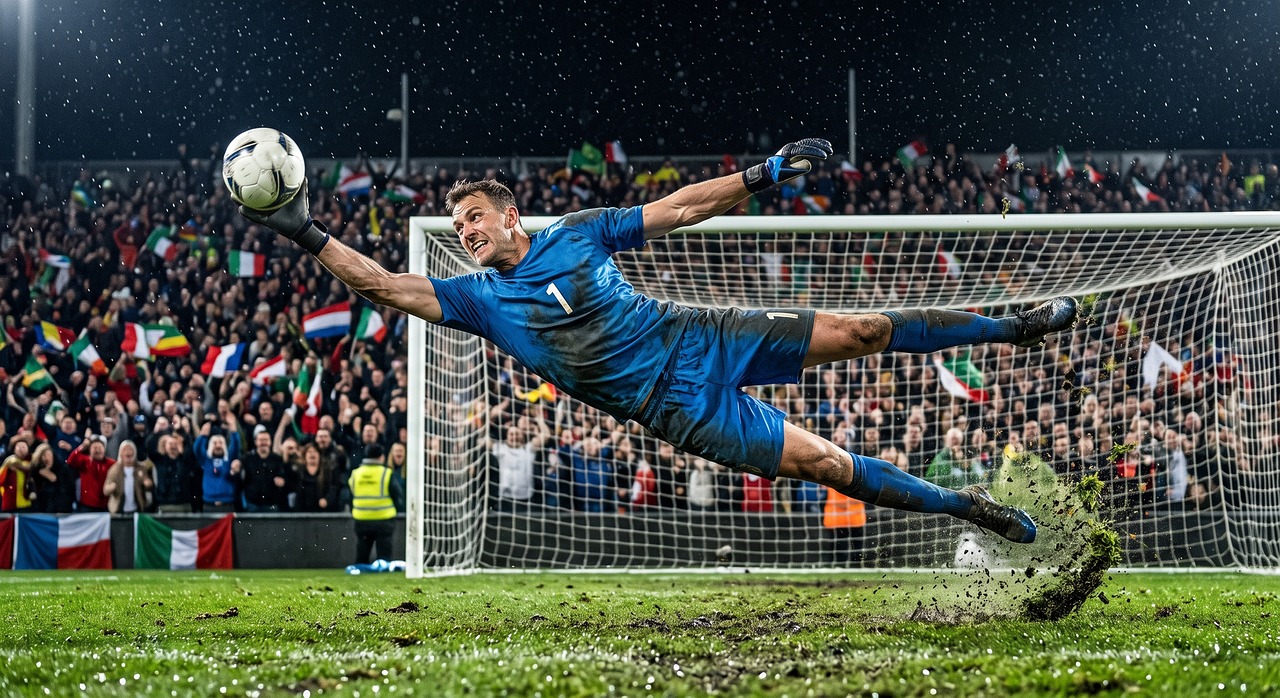
Winning the FIFA Ballon d'Or elevates a player's status, boosts market value, and cements legacy. Clubs use the accolade for marketing, attracting sponsorships, and inspiring future talent. For fans, it offers a tangible way to celebrate standout performances.
Notable Winners and Their Impact
While the list of champions is ever - growing, a few names stand out for their influence:
- Players with Multiple Wins: A handful of athletes have claimed the award multiple times, showcasing sustained dominance.
- First Nations Represented: The award has highlighted talent from diverse footballing cultures, underscoring the sport's global reach.
- Record - Breaking Performances: Some winners have set new standards in scoring, assists, and leadership on the pitch.
Common Misconceptions About the Award
- It's Only About Scoring: While goals are key, the award also values assists, tactical influence, and defensive contributions.
- It's Solely a European Perspective: The voting panel includes representatives from all confederations, ensuring a balanced view.
- Only Senior Players Qualify: Emerging talents can win if their performances resonate with the panel.
Controversies and Criticisms
The award has faced scrutiny over perceived biases, media influence, and the impact of commercial interests. Critics argue that star power can eclipse merit, especially when politics or sponsorships are involved. Supporters counter that the diverse voting body mitigates such concerns.
How to Stay Updated on the Award
- Official Announcements: Follow FIFA and France Football's websites and social media for real - time updates.
- Sports News Outlets: Major broadcasters and newspapers provide in - depth coverage and analysis.
- Statistical Platforms: Sites like Opta and Transfermarkt offer detailed performance metrics that influence voting.
Practical Tips for Fans Who Want to Follow the Voting
Although fans cannot vote, they can engage by:
- Tracking Performance Data: Compare player statistics to understand why certain athletes are favorites.
- Reading Expert Commentary: Insights from pundits often reflect the criteria used by the voting panel.
- Participating in Fan Polls: While unofficial, these polls can spark discussions and highlight emerging talents.
The Legacy of the FIFA Ballon d'Or
Beyond individual glory, the award shapes football history. It provides a benchmark for future generations, creating a lineage of excellence that fans, players, and clubs cherish. The trophy's prestige continues to inspire young athletes worldwide to aspire for greatness.
Future Outlook
As football evolves, so will the award. Discussions around expanding the voting base, incorporating advanced analytics, and ensuring greater transparency suggest that the FIFA Ballon d'Or will adapt to the sport's dynamic nature.