
Introduction
When you turn on the light, fill a glass of water, or flush the toilet, you're using public utility services. These services are often taken for granted, yet they form the invisible infrastructure that keeps cities and towns running smoothly. In 2026, understanding how public utilities work can help you manage your household, reduce costs, and support sustainable community development.
Key Types of Public Utility Services
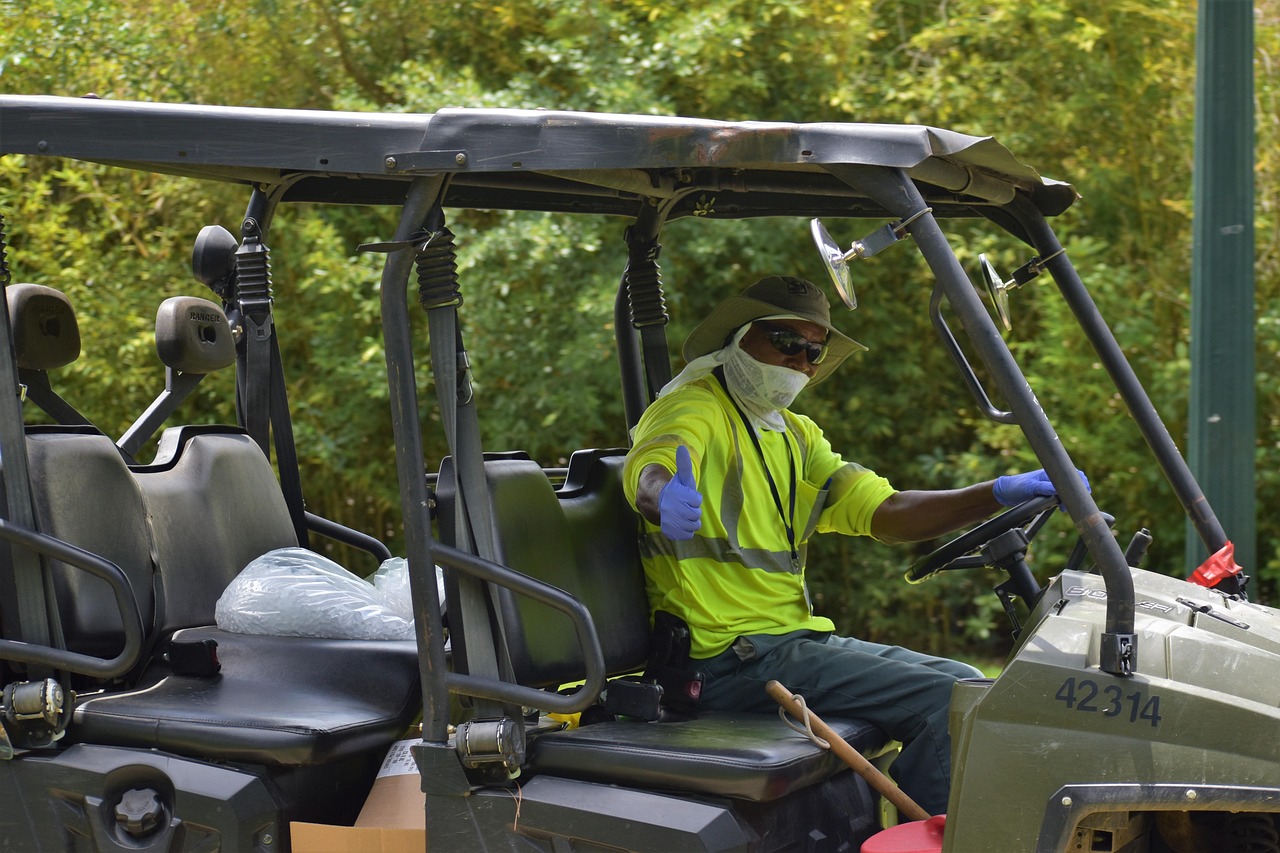
- Water and Sewage: Provides clean drinking water and collects wastewater for treatment.
- Electricity: Delivers power to homes and businesses through a network of power lines and substations.
- Natural Gas: Supplies gas for heating, cooking, and industrial processes.
- Telecommunications: Offers internet, telephone, and cable services through fiber, DSL, or wireless networks.
- Waste Management: Handles the collection, recycling, and disposal of residential and commercial waste.
- Stormwater Management: Controls runoff to prevent flooding and protect water quality.
How Public Utilities Operate
Public utilities can be owned and operated by government entities, non - profit cooperatives, or private companies under strict regulatory oversight. The core functions include:
- Infrastructure Maintenance: Regular inspection, repair, and upgrade of pipelines, power lines, and treatment plants.
- Service Delivery: Ensuring continuous, reliable access to utilities for all residents.
- Billing and Customer Service: Accurate meter readings, timely billing, and responsive support for outages or complaints.
- Regulatory Compliance: Meeting safety, environmental, and quality standards set by state and federal agencies.
Common Questions About Public Utilities

- How are rates determined? Rates are set by utility regulators based on operating costs, infrastructure investments, and sometimes subsidies. They aim to balance affordability with the need for maintenance and growth.
- What should I do if I experience a service outage? Contact your utility's emergency hotline immediately. Most utilities offer 24/7 support for critical outages.
- Can I choose my utility provider? For many services, such as water and electricity, the local provider is mandated. However, telecommunications often allow competition, giving consumers options.
- How can I reduce my utility bill? Simple steps include installing energy‑efficient appliances, sealing drafts, using smart thermostats, and adopting water‑saving fixtures.
- What happens during a major infrastructure upgrade? Utilities typically notify residents in advance, schedule work during off‑peak hours, and offer temporary service alternatives if needed.
Why Public Utilities Matter to Communities
Public utilities are more than convenience; they are a public good that directly affects health, safety, and economic vitality:
- Public Health: Clean water and proper sewage treatment prevent disease outbreaks.
- Safety: Reliable electricity and gas supply support emergency services and critical infrastructure.
- Economic Growth: Stable utility services attract businesses and support local jobs.
- Environmental Protection: Modern treatment plants and waste recycling reduce pollution and conserve resources.
How to Access and Manage Public Utility Services in 2026
Below are practical steps for residents to navigate utility services efficiently:
- Identify Your Local Provider: Visit your city or county website to find the official water, electric, and gas companies.
- Set Up Online Accounts: Most utilities offer digital portals for bill payment, usage monitoring, and service requests.
- Subscribe to Alerts: Sign up for text or email notifications about outages, maintenance schedules, or rate changes.
- Review Your Bill: Check meter readings, usage history, and rate structures to spot discrepancies or opportunities for savings.
- Participate in Community Programs: Many utilities run rebate programs for energy‑efficient appliances or community‑based recycling initiatives.