
Introduction
The Nobel Peace Prize is more than a medal; it's a symbol of humanity's best hopes for harmony and justice. Whether you're a history buff, a student of global affairs, or simply curious about what makes this award so special, this guide will walk you through its origins, its selection process, and the stories of the people who have been honored with it.
The Origin: Alfred Nobel's Lasting Legacy
Alfred Nobel, the inventor of dynamite, was a brilliant mind with a conscience that outpaced his inventions. In his 1895 will, he left the bulk of his fortune to create a series of prizes, including one for those who "contribute most effectively to the promotion of peace." The will stipulated that the Peace Prize be awarded in Stockholm, Sweden, while the other prizes would be awarded in Oslo, Norway.
Why did Nobel choose peace? He was a witness to the devastation of war and the power of science to both build and destroy. By setting up a prize that celebrated peace, he hoped to inspire future generations to pursue nonviolent solutions to conflict.
How the Nobel Peace Prize Is Awarded
The Nobel Peace Prize is unique in its selection mechanism. Unlike the other Nobel Prizes, which are awarded by Swedish institutions, the Peace Prize is chosen by a committee of five members elected by the Norwegian Parliament. These committee members bring diverse perspectives from academia, law, and civil society.
What the Prize Consists Of
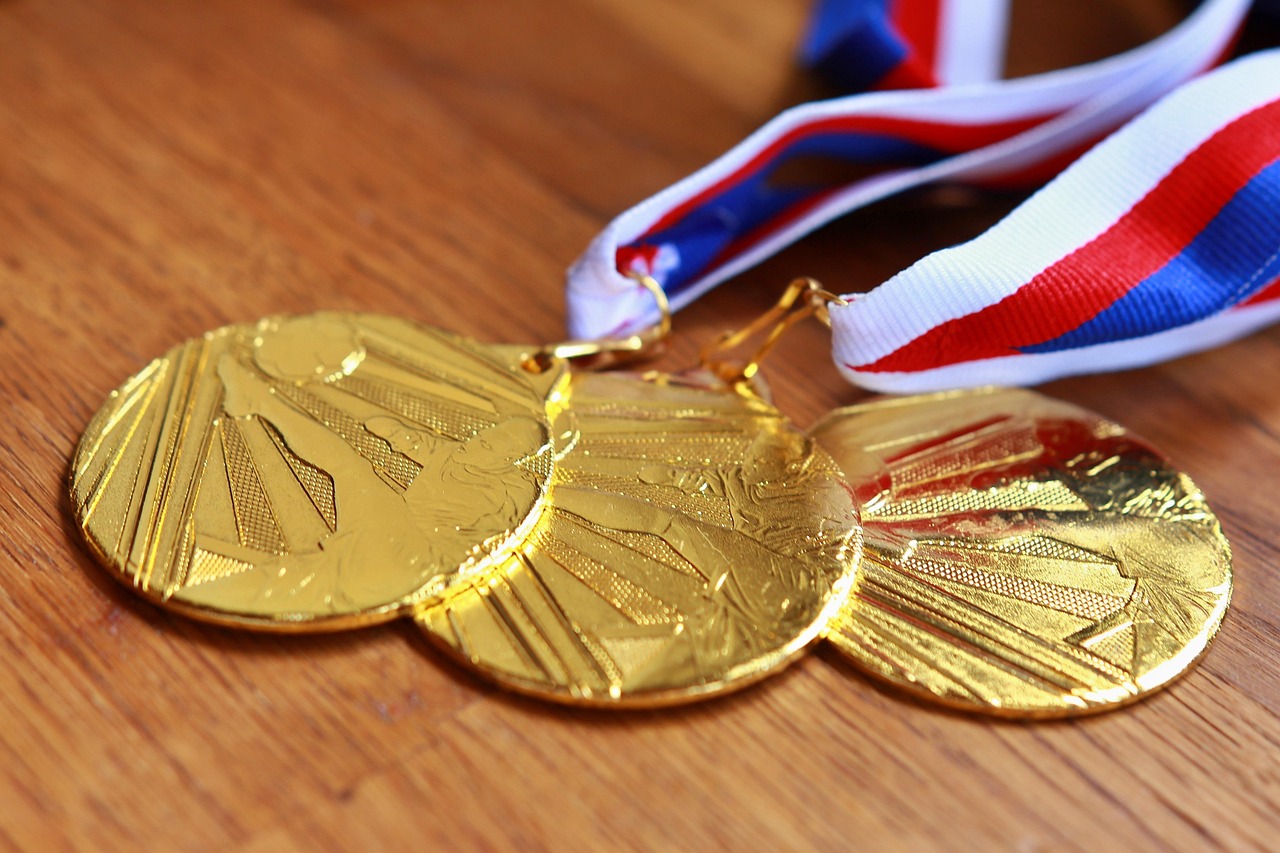
The laureate receives a gold medal, a diploma, and a cash award. The amount of the cash prize can vary over time, but its symbolic value remains constant: a tangible recognition of peace‑building work that can inspire others.
Key Steps in the Selection Process
- Nomination: Anyone can nominate a person, organization, or movement - provided they are a qualified nominator, such as a former laureate, university professor, or political leader.
- Evaluation: The committee reviews nominations, consults experts, and holds confidential discussions to assess each nominee's impact on peace.
- Decision: After extensive deliberation, the committee votes. The chosen laureate is announced in October, with the award ceremony held in December in Oslo.
Notable Laureates and Their Impact
Over the years, the Peace Prize has honored a wide range of individuals and groups - from Nobel laureates like Martin Luther King Jr. and Mother Teresa to organizations like the International Committee of the Red Cross and the Intergovernmental Panel on Climate Change. Each award reflects a moment when the world paused to acknowledge a significant stride toward harmony.
One of the most memorable moments was the joint award given to the International Red Cross and the International Red Crescent Societies, recognizing their impartial humanitarian work in war zones.
Common Questions About the Nobel Peace Prize
- Can anyone nominate a candidate? Only a select group of individuals and organizations can submit nominations.
- How often is the prize awarded? It is awarded annually.
- What happens if the committee cannot reach a consensus? The prize can be withheld for that year; this has happened only a handful of times.
Practical Ways to Stay Involved
Even if you're not in a position to nominate a laureate, you can still engage with the Nobel Peace Prize community:
- Follow the Nobel Committee's announcements and read the full citation for each laureate.
- Attend the Oslo ceremony - tickets are available through the official Nobel site.
- Support local peace initiatives; the spirit of the prize lives in everyday actions.
Why the Nobel Peace Prize Still Matters
In a world where conflict and division seem to dominate headlines, the Nobel Peace Prize reminds us that constructive change is possible. It shines a light on leaders, activists, and organizations who push for understanding, justice, and lasting peace. The award also provides a platform for global dialogue, encouraging other nations to follow suit.
Ultimately, the Nobel Peace Prize is more than a historical footnote; it's an ongoing call to action for all of us to work toward a more peaceful world.