
Who Painted the Mona Lisa?
Leonardo da Vinci created the Mona Lisa in the early 1500s, during the height of the Italian Renaissance. Known for his scientific curiosity and artistic genius, Leonardo used a technique called sfumato - soft transitions between colors - to give the portrait its signature subtlety.
Who Is the Woman in the Painting?

Most scholars agree the sitter is Lisa Gherardini, a Florentine woman married to a wealthy merchant. The painting's title, "La Gioconda," references her married name, Gioconda. Yet, because the artist never signed the work, some debate remains, adding to the intrigue.
How Did the Painting Get Its Name?
The artwork's name evolved over centuries. In Italy, it was known as La Gioconda or "the joyous one." When it entered French collections, it became "Mona Lisa," a contraction of "Madonna Lisa." The name stuck, and today it's one of the most recognizable titles in art history.
Where Did the Mona Lisa Come From?
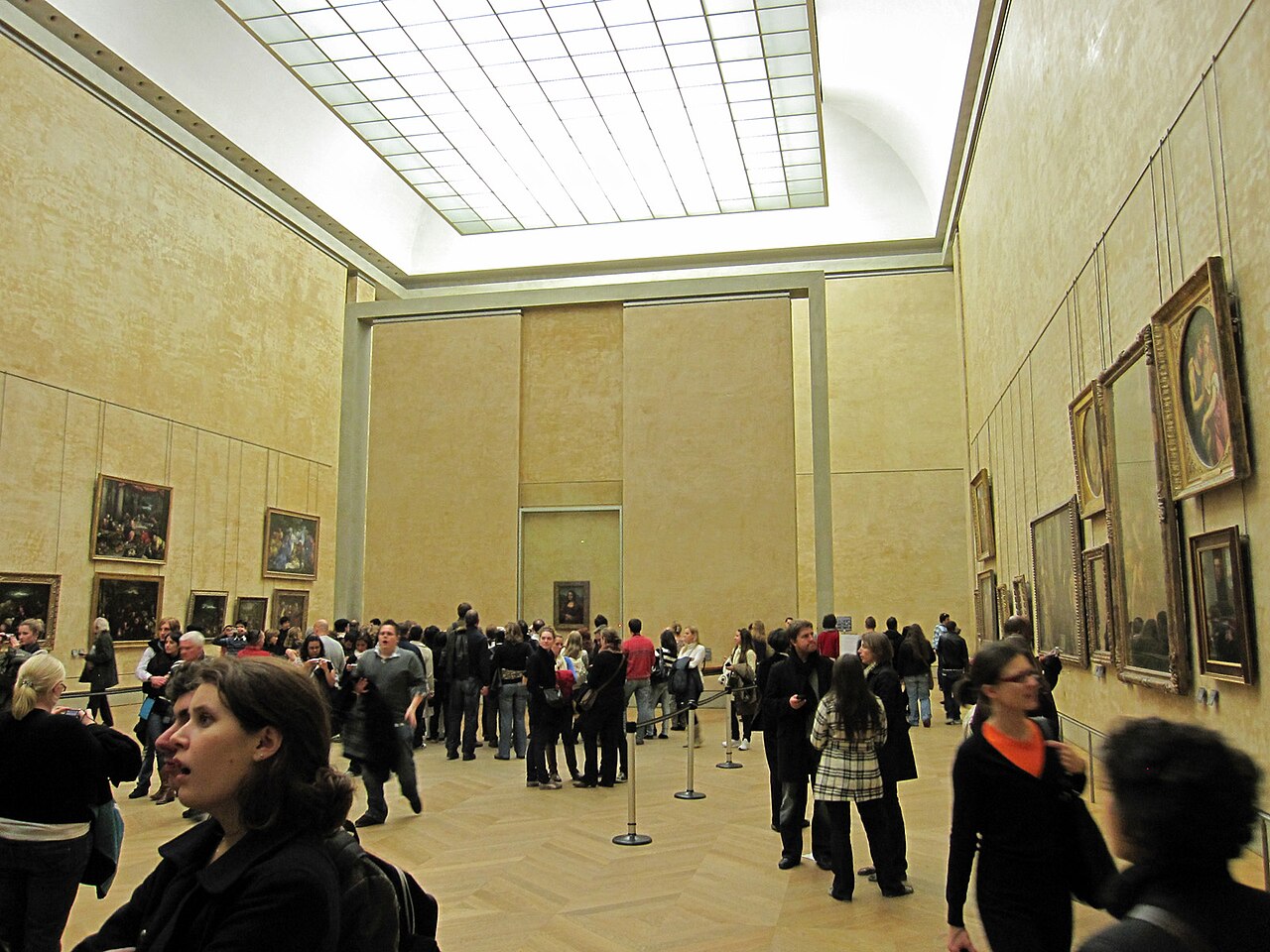
Leonardo finished the portrait around 1506 - 1507, but the exact location of its creation remains debated. Many believe it was painted in Florence, where Leonardo worked for the Medici family. After his death, the painting passed through several hands before being acquired by King Francis I of France in the early 16th century.
What Makes the Mona Lisa Unique?
- Sfumato Technique - The soft blending of tones gives the eyes a lifelike quality.
- Subtle Smile - The ambiguous grin has sparked endless speculation.
- Background Landscape - The imaginary, dream‑like scenery adds depth and mystery.
- Color Palette - Warm earth tones create a sense of harmony.
Why Is the Mona Lisa So Famous?
Its fame stems from a mix of artistic brilliance, historical intrigue, and cultural impact. The painting has been the subject of theft, vandalism, and countless reproductions, cementing its place in popular culture. Each element - its composition, the sitter's expression, and the artist's mastery - contributes to its legendary status.
Common Questions About the Mona Lisa
- Is the painting stolen? The Mona Lisa was stolen in 1911 but was recovered two years later.
- How old is the painting? It was completed around 1506 - 1507, making it over 500 years old.
- Why does the smile look different in some photos? Lighting and angle can alter the perception of the smile.
- What is the painting's value? While priceless, estimates range in the billions of dollars.
How to Appreciate the Mona Lisa in Person
If you're lucky enough to visit the Louvre, here's how to make the most of the experience:
- Arrive Early - The museum is less crowded in the mornings.
- Use a Guided Tour - Audio guides provide context and anecdotes.
- Observe the Details - Notice the soft brushstrokes, the subtle shading of the hands, and the faint landscape.
- Take Time - Spend at least 15 - 20 minutes in front of the painting; it reveals new nuances with each glance.
- Photograph Wisely - The museum allows photos without flash, so you can capture the scene for later study.
Practical Tips for Studying the Mona Lisa Online
Want to analyze the painting from home? Here are some practical steps:
- High - Resolution Images - Use the Louvre's official site or reputable art databases.
- Zoom In - Examine brushwork, color layering, and texture.
- Compare Versions - Look at early sketches and studies to see Leonardo's process.
- Read Scholarly Articles - Many universities publish free research on Renaissance art.
- Join Online Forums - Discuss interpretations with fellow art lovers.
Why the Mona Lisa Endures as a Cultural Icon
The painting's longevity is a sign of its layered storytelling. It combines:
- Historical mystery (the identity of the sitter).
- Technical mastery (Leonardo's sfumato and composition).
- Symbolic resonance (the elusive smile that invites endless interpretation).
- Public fascination (the theft, vandalism, and iconic reproductions).
These elements ensure that the Mona Lisa remains a touchstone for artists, historians, and everyday people alike.
Takeaway: A Portrait That Continues to Inspire
Whether you stand before it in the Louvre or study it through a screen, the Mona Lisa offers a mix of art, history, and mystery. By understanding its background, appreciating its technique, and engaging with its many interpretations, you'll discover why this portrait continues to captivate generations.