
What Is Media's Role in Conflict?
Media is no longer just a passive recorder of events; it is an active participant in shaping the narrative of modern conflicts. From satellite broadcasts to instant tweets, the way information is shared can determine how people understand war, who they blame, and even how governments respond. In this section, we break down the main functions of media during conflict: documentation, mobilization, accountability, and, sometimes, propaganda.
How Media Shapes Public Perception
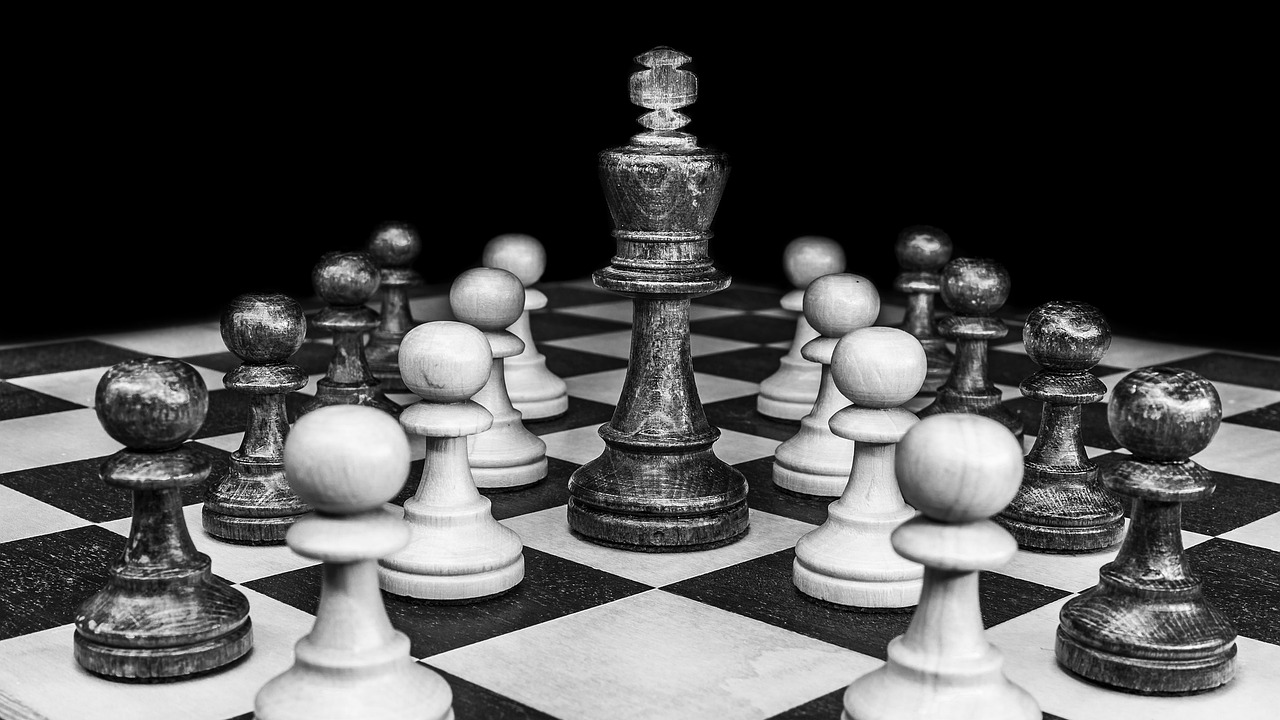
When cameras capture a battlefield, the footage can become a symbol that transcends borders. A single image - soldiers advancing, civilians fleeing, or a ceasefire handshake - can stir emotions, drive political pressure, and even influence the outcome of negotiations. The media's ability to frame a story matters:
- Framing: The choice of words, angles, and accompanying commentary can paint a conflict as heroic, tragic, or unjust.
- Frequency: Repeated coverage of certain events can amplify their importance while other incidents fade into silence.
- Accessibility: Social media allows anyone with a smartphone to share footage, broadening the audience and increasing the speed at which a story spreads.
The Power of Visual Storytelling
Visuals are especially potent because they bypass language barriers and reach emotions instantly. Documentaries, photo essays, and even graphic reports can humanize soldiers and civilians alike. Yet, with great power comes great responsibility; sensational images can also mislead or desensitize viewers if taken out of context.
Challenges and Ethical Dilemmas
Journalists on the front lines face danger, censorship, and the constant pressure to deliver breaking news. The ethical dilemmas include:
- Accuracy vs. Speed: Rushing to publish can result in misinformation.
- Safety vs. Exposure: Reporting from inside a conflict zone can endanger reporters and their families.
- Objectivity vs. Advocacy: Some outlets may lean toward a particular narrative, influencing how facts are presented.
Combatting Misinformation
Misinformation spreads as quickly as verified facts. To protect yourself and your community, consider these practical steps:
- Check the source: Reputable news outlets, established journalists, and independent fact‑checking organizations are a good starting point.
- Cross‑reference: Look for corroborating reports from multiple outlets before accepting a story.
- Verify visuals: Use reverse image search tools or consult experts to confirm that photos or videos are authentic and not manipulated.
- Ask questions: Who is the author? What is the funding source? Are there any conflicts of interest?
Practical Tips for Readers
Being an informed citizen in a time of conflict is more important than ever. Here are actionable strategies to stay well‑informed without becoming overwhelmed:
- Follow a diverse set of voices: Include local journalists, international NGOs, and academic analyses.
- Set a news diet: Allocate specific times for news consumption to avoid fatigue and sensationalism.
- Use technology wisely: Turn off auto‑play for videos and disable notifications that might trigger anxiety.
- Engage critically: Instead of reacting emotionally, ask what evidence supports the claim and whether it aligns with other credible reports.
Common Questions About Media in Conflict
- What types of media are most influential? Television, online streaming, social platforms, and print all play roles, but the immediacy of online media often gives it the edge in shaping first impressions.
- How can citizens verify news? Fact‑checking sites, source transparency, and cross‑checking with established outlets are key.
- Why do some stories never get covered? Access restrictions, political pressure, or strategic silence can limit coverage.
- What responsibility do journalists have? They must balance speed with accuracy, protect sources, and avoid becoming pawns for propaganda.
Looking Ahead: Media's Future in Conflict
Technological advancements such as drones, 3D mapping, and real‑time translation are reshaping how conflicts are reported. While these tools promise greater transparency, they also raise new ethical questions about privacy and the potential for misuse. The core principle remains: media must strive to provide context, verify facts, and respect the dignity of those affected.
In the end, the media's role in modern conflicts is both powerful and precarious. By staying informed, critically engaged, and supportive of ethical journalism, we can help ensure that the stories we share lead to understanding rather than division.