
Early Life and Influences
Martin Luther King Jr. was born into a family that valued faith, education, and community service. Growing up in the South, he witnessed racial inequality firsthand, shaping his commitment to justice from a young age. His mother, a schoolteacher, and his father, a pastor, fostered a love for learning and a deep sense of moral responsibility.
Education and Spiritual Awakening
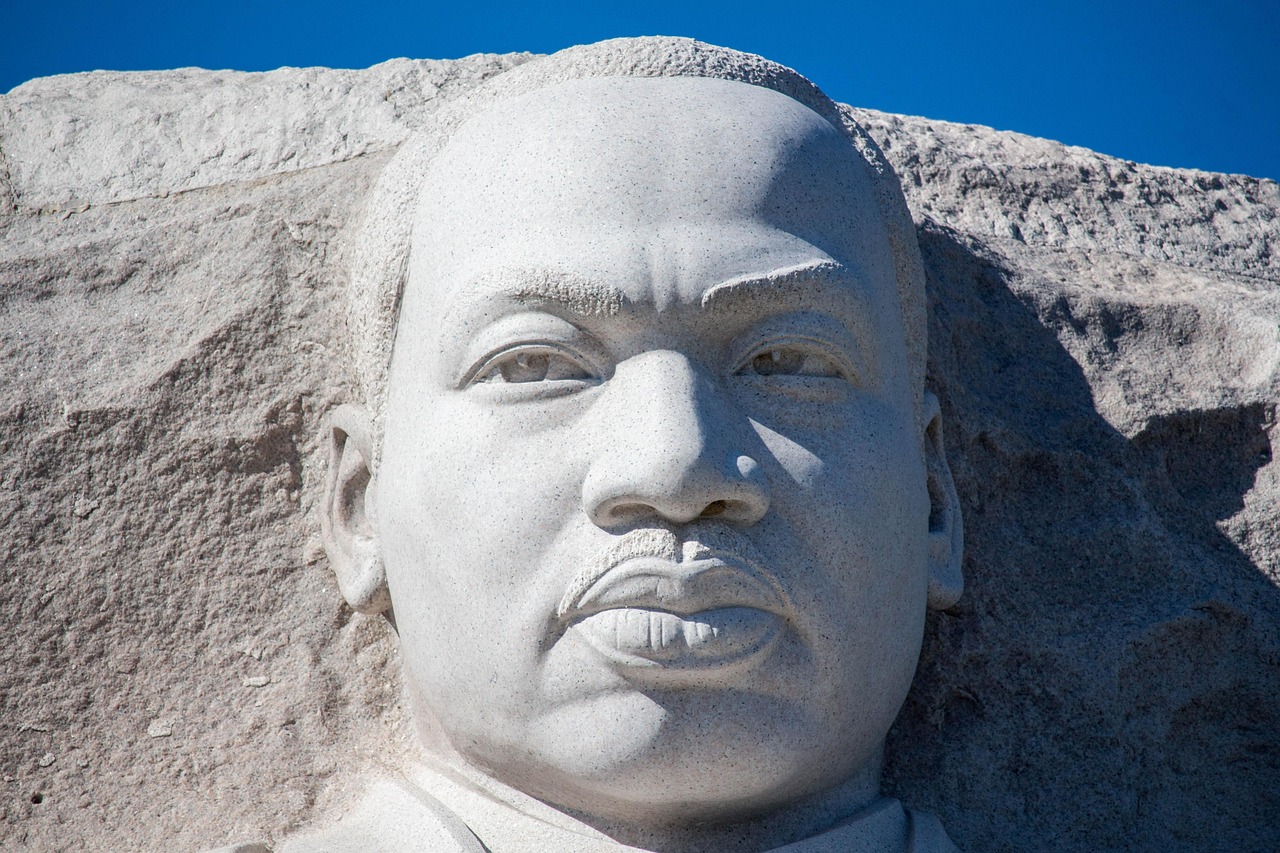
King pursued higher education with the ambition of becoming a scholar and a preacher. During his time in college, he studied philosophy, literature, and theology, developing a strong foundation in nonviolence and civil disobedience. The teachings of Mahatma Gandhi and the principles of Christian pacifism became integral to his worldview.
The Montgomery Bus Boycott: A Turning Point
The boycott began after a courageous act of protest by a young woman who refused to give up her seat on a segregated bus. King's leadership in organizing the boycott demonstrated his strategic thinking and ability to mobilize communities. The movement lasted over a year, culminating in a landmark Supreme Court decision that declared bus segregation unconstitutional.
The March on Washington: "I Have a Dream"
King's iconic speech delivered in front of a massive crowd at the Lincoln Memorial became a defining moment of the Civil Rights Movement. The words "I have a dream" echoed across the nation, encapsulating a vision of equality and freedom that resonated with millions. This moment cemented King's legacy as a powerful orator and a moral compass for activists worldwide.
Core Principles and Strategies
- Nonviolent Protest: King believed in peaceful resistance as a moral force capable of transforming society.
- Community Organizing: He built grassroots networks to enable ordinary citizens to demand change.
- Coalition Building: King partnered with labor unions, religious groups, and international allies to broaden the movement's reach.
- Legal Advocacy: He worked closely with attorneys to challenge unjust laws through the courts.
Legacy and Impact
King's dedication to civil rights reshaped laws, policies, and social attitudes. His work paved the way for landmark legislation, and his commitment to nonviolence remains a guiding principle for social justice movements around the globe. Today, his birthday is commemorated as a national holiday, reflecting the enduring relevance of his vision.
Frequently Asked Questions
- What motivated King to fight for civil rights? Personal experiences of discrimination, religious teachings, and a profound belief in equality drove his activism.
- How did King's speeches influence public opinion? By articulating a clear, hopeful narrative, he inspired millions to join the movement and pressured lawmakers to enact reforms.
- What lessons can modern activists learn from King? The power of peaceful protest, the importance of strategic alliances, and the necessity of a compelling moral vision.
- Where can I learn more about King's life? Books, documentaries, and reputable online archives offer in - depth insights into his contributions and philosophy.
Practical Ways to Honor His Legacy Today
- Read his speeches and writings to understand the power of words.
- Participate in local community service to address inequalities.
- Support organizations that promote civil rights and social justice.
- Use social media to spread messages of equality and empathy.