
From Lightning to Lightbulbs: The Journey of Electricity
Electricity is one of the most invisible yet indispensable forces in our daily lives. While we use it to power homes, gadgets, and industry, the story of its discovery is a tale of curiosity, experimentation, and relentless human ingenuity. In this article, we'll explore how humanity transitioned from witnessing natural lightning to using a steady flow of electrons that lights up the world.
What Is Electricity? A Quick Primer
At its core, electricity is the movement of charged particles - electrons - through a conductor. Think of it as a tiny, invisible river flowing through wires, cables, and even the air. The key terms you'll hear are:
- Voltage: The electrical pressure that pushes electrons.
- Current: The actual flow of electrons.
- Resistance: Anything that slows down the flow.
When these elements combine properly, we get usable power - what we call electricity.
Early Sparks: Ancient Observations and Experiments
Long before modern science, people were fascinated by lightning. Ancient Greeks noted that rubbing amber with fur produced static, a phenomenon they called "elektron." This early observation hinted at the existence of a hidden force that could be manipulated.
Medieval scholars expanded on this knowledge, experimenting with glass rods, silk, and other materials to create static charges. These experiments laid the groundwork for the scientific method - hypothesize, test, observe - necessary for future breakthroughs.
Turning Curiosity into Knowledge: Key Milestones
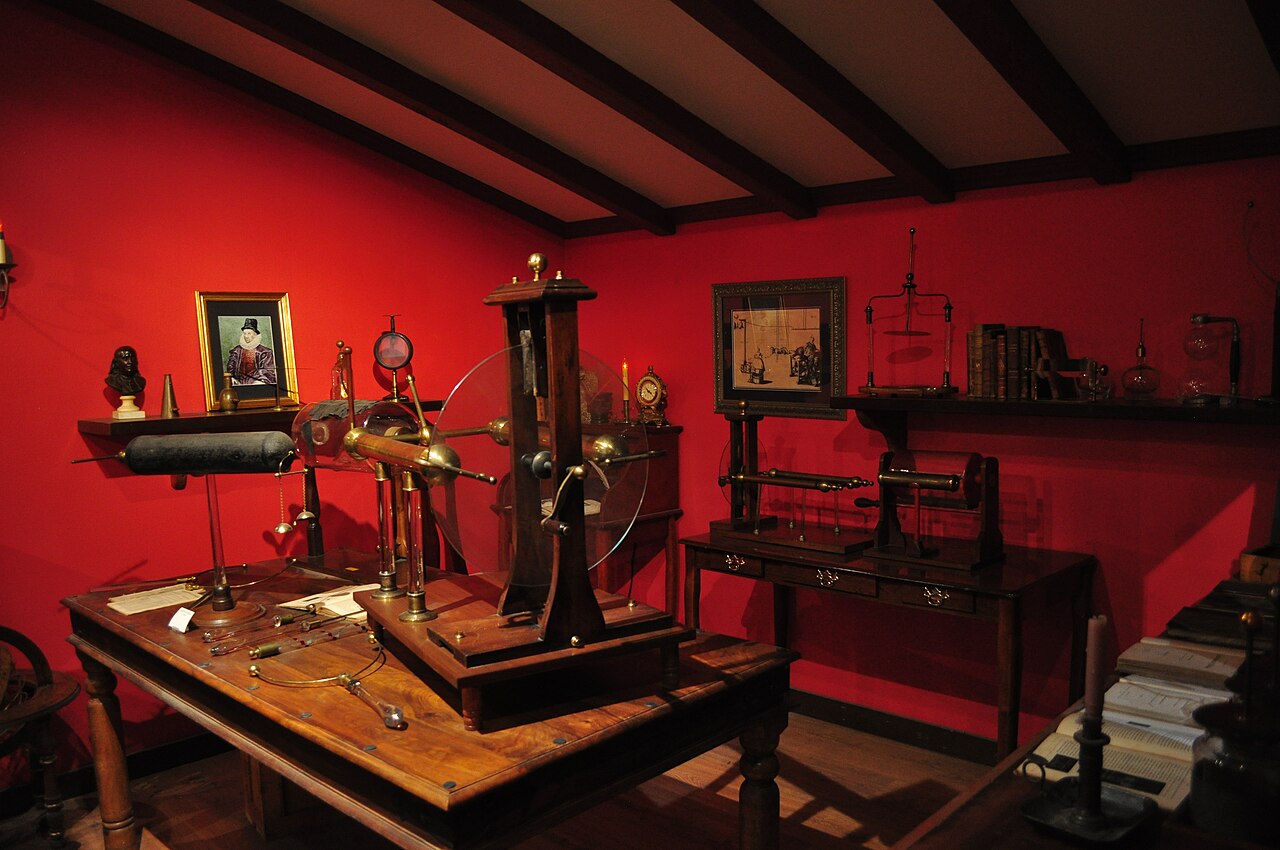
- Magnetism and the Dynamo: Scientists discovered that moving a magnet through a coil generates an electric current, a principle still used in power plants.
- Electrolytes and Batteries: The idea that chemical reactions could produce electricity led to the first battery, providing a steady source of power for experiments.
- Alternating Current (AC) vs. Direct Current (DC): Debates over the best way to transmit power spurred innovations that made long‑distance distribution possible.
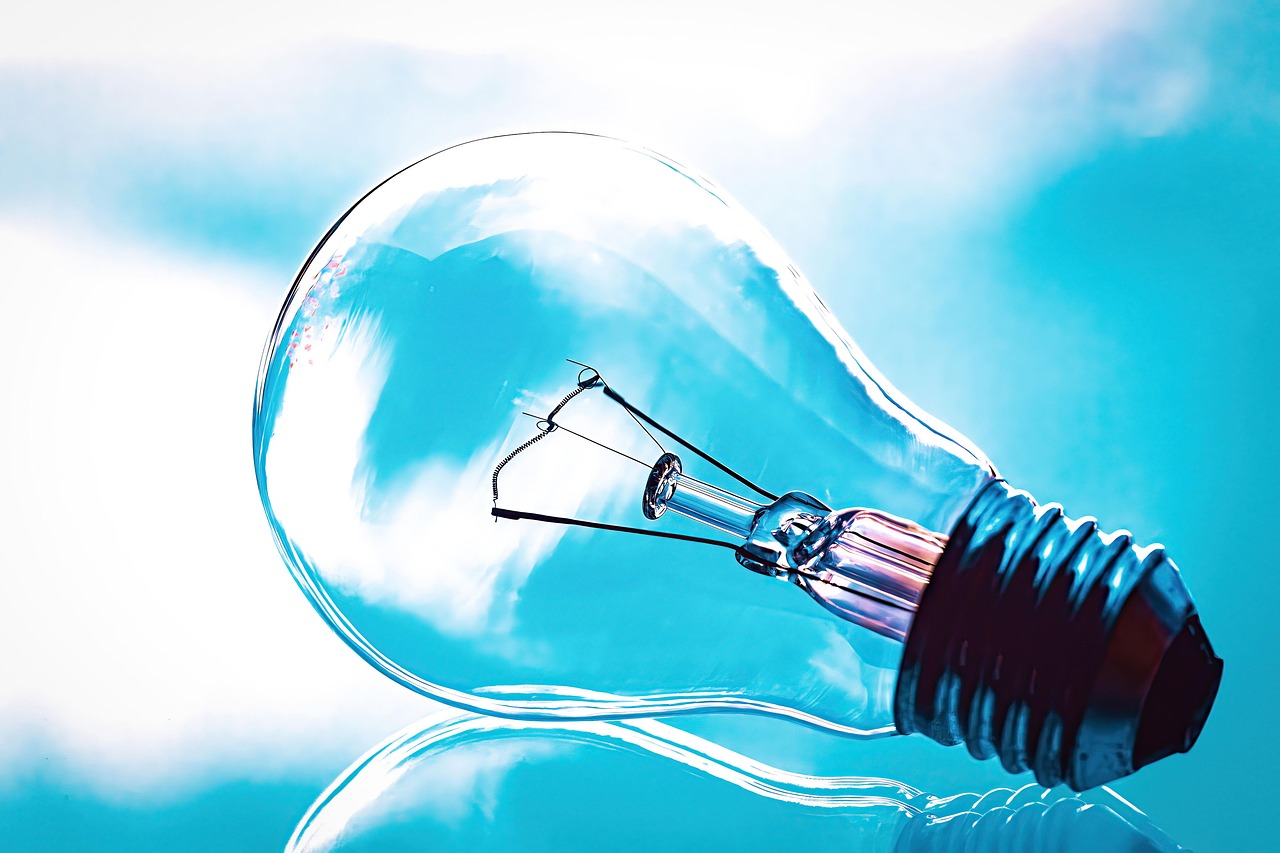
- The Lightbulb: An incandescent filament illuminated homes, proving that electricity could be converted into visible light.
- The Electrical Grid: A network of power stations, transmission lines, and distribution systems connected cities, turning electricity into a utility.
How Electricity Became a Practical Power Source
Once the basic principles were understood, engineers turned to large‑scale solutions. Water turbines turned flowing rivers into electrical energy; steam engines powered generators that fed entire towns. Over time, innovations such as transformers, switches, and circuit breakers ensured that electricity was not only available but also safe and reliable.
Common Questions About Electricity
- What's the difference between AC and DC? AC changes direction periodically, making it ideal for transmission over long distances. DC flows in one direction and is used in batteries and electronics.
- How do power plants keep the grid stable? They use a combination of real‑time monitoring, load balancing, and backup generators to match supply with demand.
- Is electricity safe? With proper insulation, grounding, and protective devices, modern electrical systems are engineered to minimize risk.
- Can we generate our own electricity at home? Yes - solar panels, small wind turbines, and even thermoelectric generators can provide clean, renewable power.
Why Understanding Electricity Matters Today
Electricity drives the digital age. From smartphones to smart grids, every new technology relies on efficient power delivery. Understanding its origins helps us appreciate the responsibility we hold to use it wisely, innovate responsibly, and push toward sustainable solutions.
Practical Tips: Using Electricity Wisely at Home
- Replace incandescent bulbs with LEDs: They use a fraction of the power and last longer.
- Unplug devices when not in use: Standby power can account for a surprising portion of household consumption.
- Use smart thermostats: They optimize heating and cooling, saving energy and money.
- Consider solar panels: Even a small system can offset a significant portion of your monthly bill.
- Inspect wiring regularly: Look for frayed cords or exposed conductors to prevent hazards.
By combining historical insight with modern practices, you can use the power of electricity responsibly and sustainably.