
Introduction
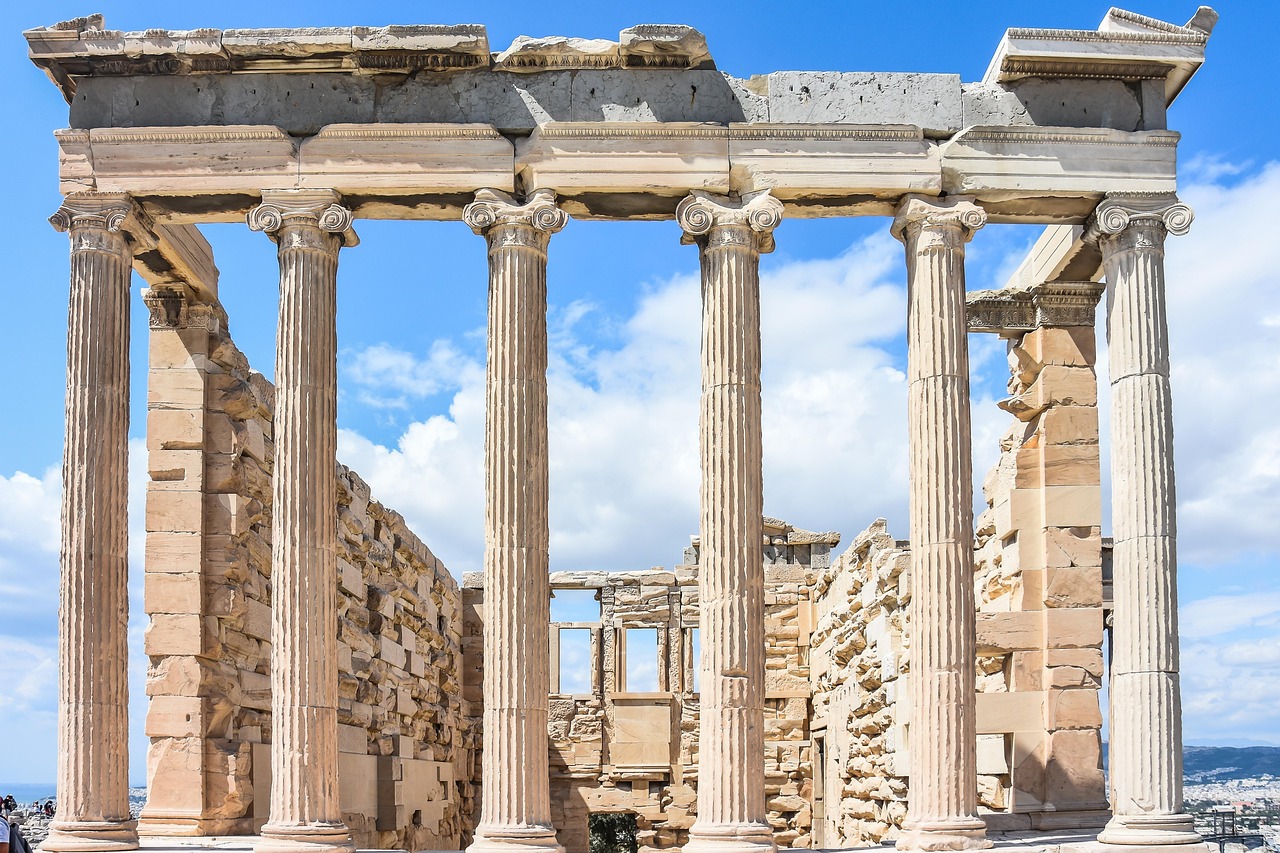
The Olympic Games are more than just a sporting event; they are a living tapestry that weaves together history, culture, and human ambition. From the dusty tracks of ancient Olympia to the glittering arenas of 2026, the Games have evolved while staying true to their core spirit: celebrating excellence, friendship, and fair play.
Origins in Ancient Olympia
Legend says that the first Olympic Games were held in 776 BCE in Olympia, Greece, in honor of the god Zeus. The ancient Olympics were a series of athletic contests that attracted competitors from across the Greek world. They were held every four years, a tradition that set the rhythm for the centuries to come.
- Key Events: Running (stadion), wrestling, boxing, pankration, equestrian events.
- Following Alexander the Great's conquests, the Games faded by the 4th century CE as the Roman Empire shifted focus. For nearly a millennium, the idea of a pan - Hellenic festival disappeared - until it was resurrected in the late 19th century.
In 1894, Pierre de Coubertin, a French educator, founded the International Olympic Committee (IOC) and revived the Games for the modern era. The first modern Olympics took place in Athens in 1896, echoing the ancient city's heritage.
Evolution Through the 20th Century
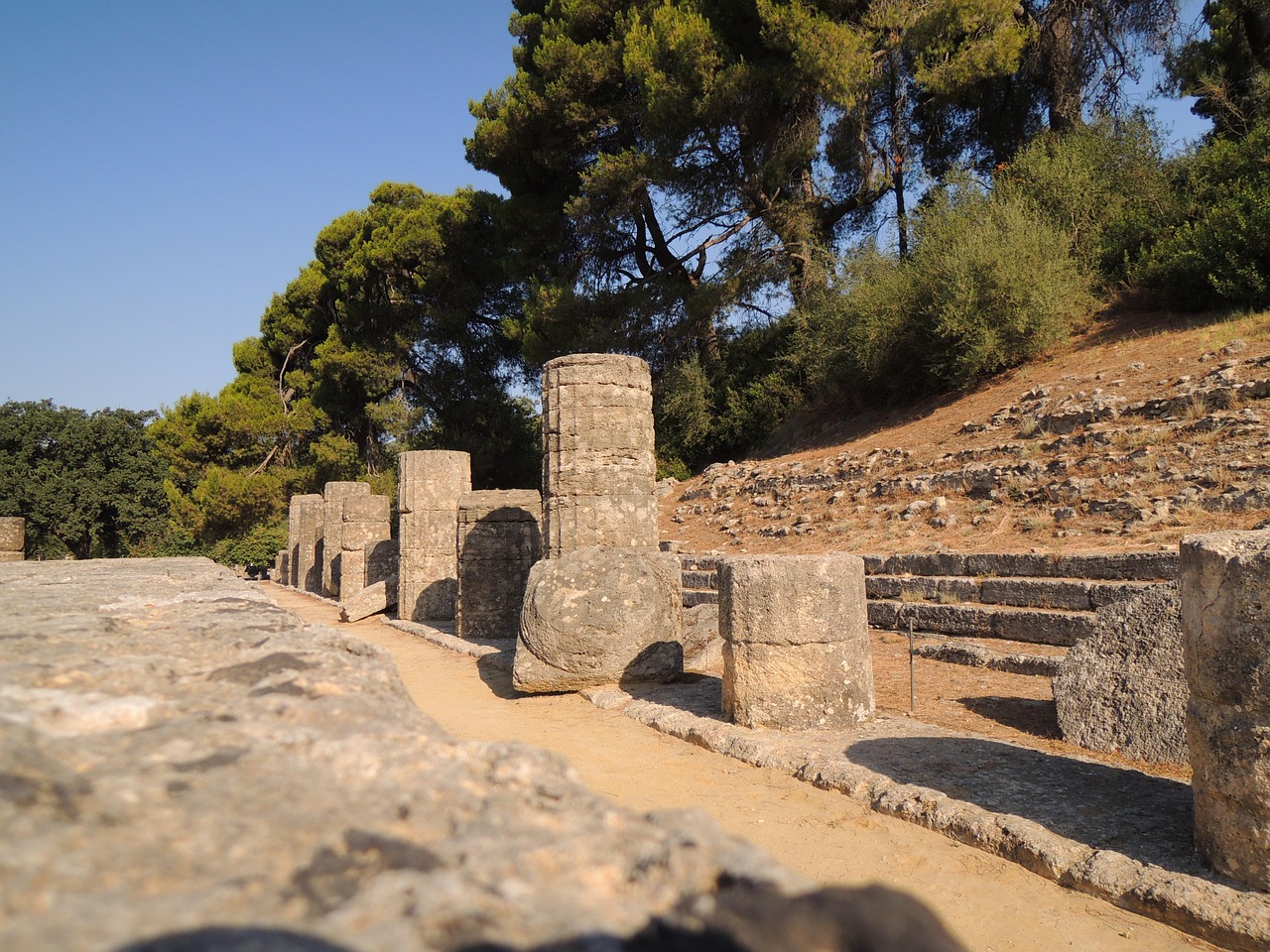
The 20th century saw the Games grow from a handful of sports to a global spectacle featuring thousands of athletes.
- 1900 Paris & 1904 St. Louis: The first Olympics outside Greece.
- 1932 Los Angeles: The first Games to use a television broadcast.
- 1960s - 70s: Introduction of women's events, the inclusion of new sports like basketball, and the iconic 1968 Mexico City Games with political protests.
During this era, the Olympic movement also faced challenges: the 1936 Berlin Games became a propaganda tool; the 1940 and 1944 Games were canceled due to World War II; the 1980 and 1984 Games were marked by boycotts.
The Modern Olympic Charter and Global Expansion
In 1992, the Olympic Charter was updated to reflect a more inclusive vision, emphasizing gender equality, anti - doping, and the role of technology.
Today, the Games feature over 30 sports, with the 2026 Winter Olympics in Milan - Cortina marking a milestone for sustainability and innovation.
2026 Winter Olympics: A New Chapter
The 2026 Games, officially known as the XXIX Olympic Winter Games, will be hosted by the Italian cities of Milan and Cortina d'Ampezzo. They promise:
- Eco - Friendly Venues: Use of existing infrastructure and renewable energy.
- Technological Integration: Real - time athlete tracking and immersive fan experiences.
- Legacy Projects: Community programs to boost winter sports participation.
Key Milestones to Remember
Here's a quick timeline of key moments in Olympic history:
- 776 BCE - First ancient Games.
- 1896 - Athens, first modern Games.
- 1932 - First TV broadcast.
- 1968 - Political activism on the podium.
- 1992 - Charter update for inclusivity.
- 2026 - Milan - Cortina Winter Games focus on sustainability.
Practical Tips for 2026 Olympic Fans
Whether you're planning a trip or watching from home, here are actionable steps to make the most of the 2026 Games:
- Book Early: Secure accommodation and travel tickets 6 - 12 months in advance to lock in better rates.
- Use Official Apps: Download the Milan - Cortina 2026 mobile app for schedules, maps, and real - time updates.
- Plan Your Schedule: Prioritize events that align with your interests; consider "Athlete of the Day" features for highlights.
- Support Local Culture: Engage with local traditions - sample Italian cuisine, visit historical sites, and attend cultural festivals linked to the Games.
- Stay Informed: Follow the IOC's official channels for updates on health protocols, weather, and venue changes.
Why the Olympics Matter Today
The Olympic Games serve as a platform for:
- Unity: Nations compete, yet share a common language of sport.
- Innovation: From prosthetics to broadcasting technology, the Games drive progress.
- Inspiration: Athletes' stories motivate millions worldwide to pursue fitness and perseverance.
Future Outlook: 2028 and Beyond
Looking ahead, the 2028 Summer Olympics in Los Angeles will introduce new sports like skateboarding and surfing, reflecting the changing interests of younger audiences. The IOC is also exploring the idea of a "Global Games" that could feature mixed - gender and mixed - nationality teams to further promote inclusivity.