
Introduction
When people think of the European Union, images of the flag, the euro, and the European Parliament come to mind. But the EU is the result of a long, layered process of cooperation that began after the devastation of World War II. Understanding its history not only explains why member states share institutions, but also why the EU faces new challenges in a changing world.
The Seeds of Unity
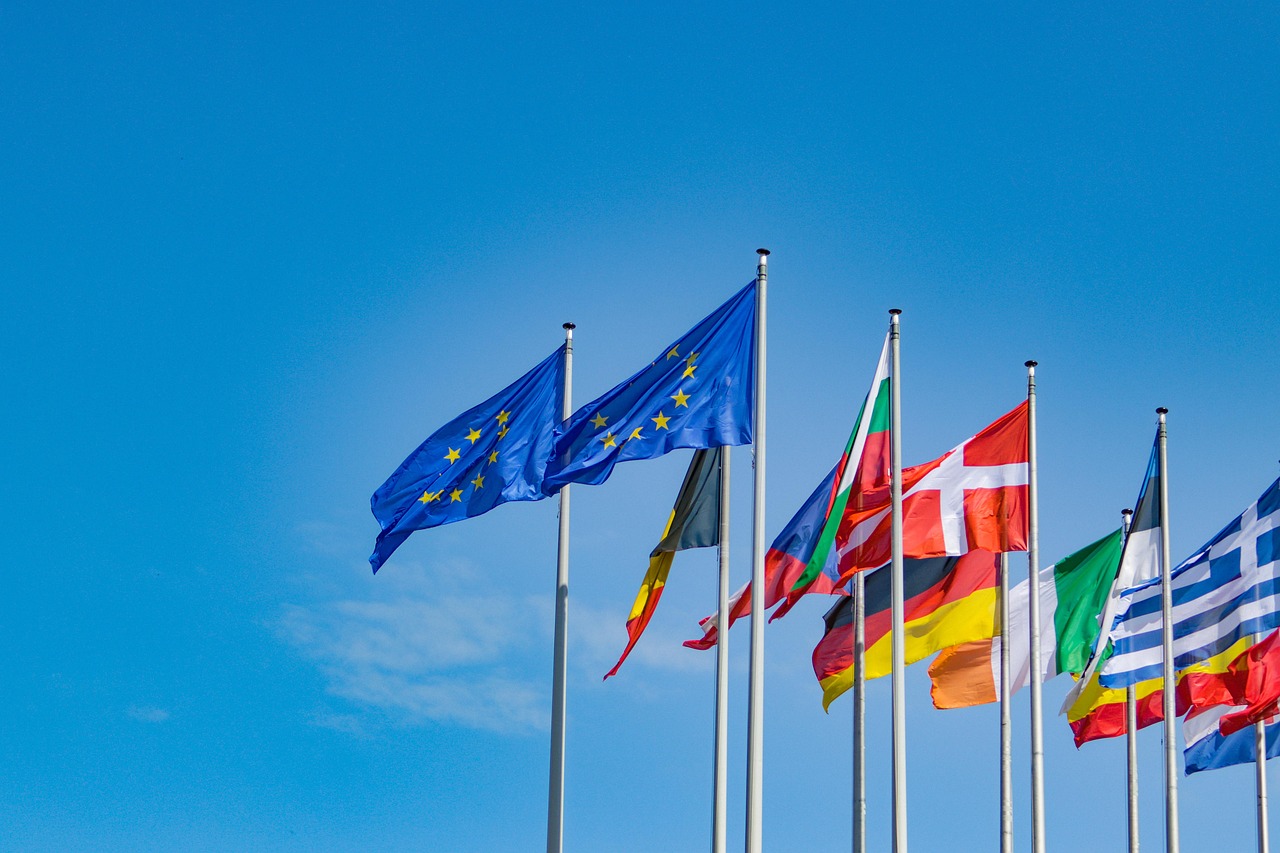
After the war, European leaders realized that peace required more than just borders; it required shared goals and institutions. Early discussions focused on economic recovery, leading to a series of agreements that would later become the foundation of the EU.
Post‑War Foundations
The first concrete step was the creation of a common market for coal and steel in 1951. Six founding countries - Belgium, France, Germany, Italy, Luxembourg, and the Netherlands - agreed to pool resources, ensuring that no single nation could dominate the industry. This experiment proved that cooperation could be both economically beneficial and politically stabilising.
The Treaty of Rome and Economic Community
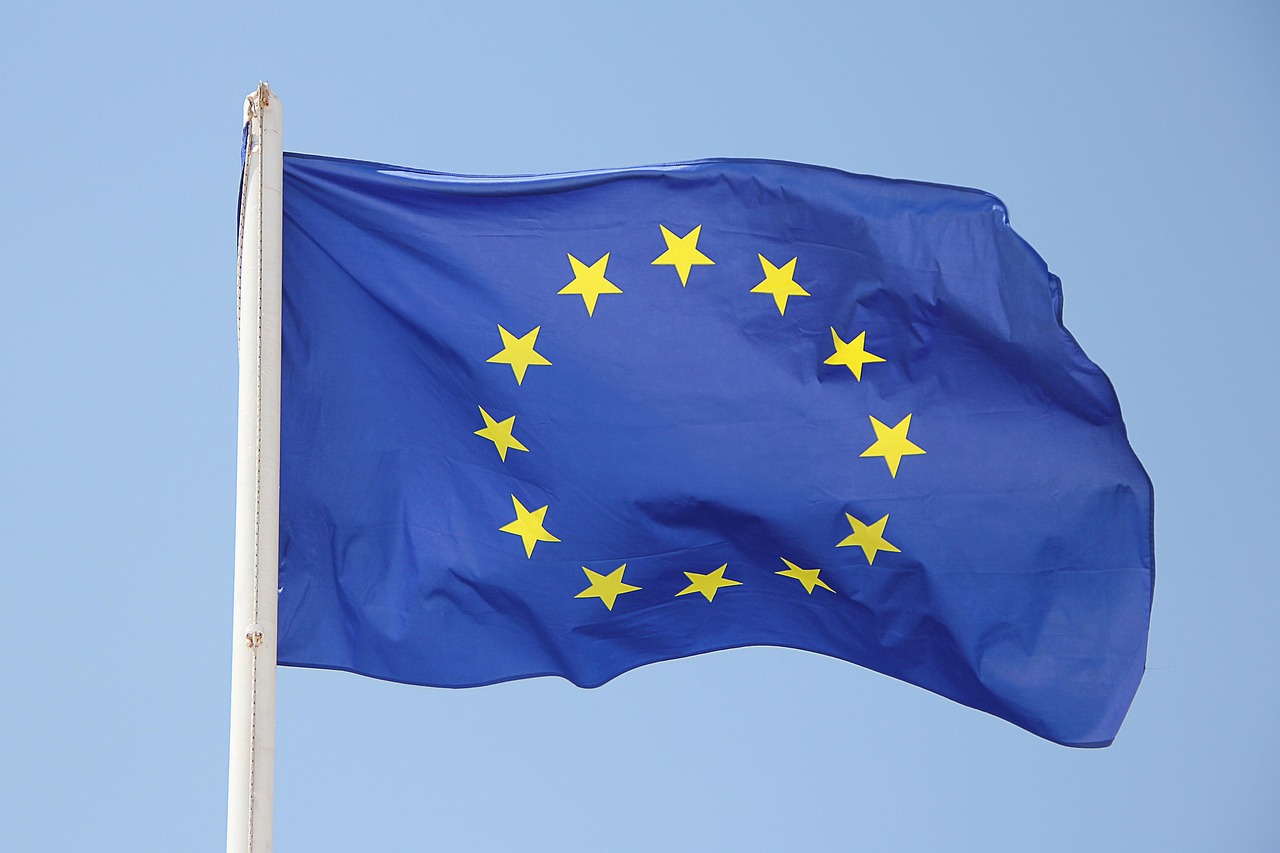
Building on that success, the Treaty of Rome was signed in 1957, establishing the European Economic Community (EEC). The treaty laid out:
- Free movement of goods, services, capital, and people
- Common agricultural and fisheries policies
- Framework for future political cooperation
Over the next decade, more nations joined the EEC, and the community's scope expanded beyond economics.
Expansion and Deepening Integration
In the 1970s and 1980s, the community grew to include the United Kingdom, Denmark, Ireland, Greece, Portugal, and Spain. Meanwhile, the European Parliament, originally an advisory body, gained more power through direct elections. By the 1990s, the EU was not just an economic bloc but a political union, with shared policies on justice, home affairs, and external relations.
The Maastricht Treaty and the Euro
1992's Maastricht Treaty was a turning point. It introduced the concept of European citizenship, established a single currency (the euro), and created the European Union as a legal entity. Key components included:
- Economic and Monetary Union (EMU)
- Common foreign and security policy
- Cooperation in justice and home affairs
The euro, launched in 1999, further deepened economic integration, making cross‑border trade smoother and giving the EU a stronger global voice.
Recent Challenges and Future Outlook
In recent years, the EU has faced:
- Brexit - the United Kingdom's exit reshaped trade dynamics and highlighted the limits of supranational governance.
- Migration pressures - requiring coordinated policy responses.
- Political fragmentation - with rising populism and differing national priorities.
Despite these hurdles, the EU remains a key model of regional cooperation. Its institutions continue to evolve, aiming for greater solidarity, climate action, and digital transformation.
Practical Takeaways
For businesses, academics, or citizens, knowing the EU's history helps in:
- Understanding regulatory frameworks across member states.
- Navigating market opportunities within the single market.
- Engaging with EU policy developments that affect local communities.
As Europe moves forward, the EU's story reminds us that long‑term collaboration can overcome even the most daunting challenges.