
Introduction
Ancient Egypt's religious tapestry is woven with a pantheon of gods who governed the cosmos, the Nile, and the hearts of people. Unlike many mythologies that focus on a single hero, Egyptian lore presents a complex network of divine beings whose stories were lived, worshipped, and celebrated in temples, tombs, and everyday rituals. This guide unpacks the most influential deities, explains their roles, and shows why their legacy endures in art, literature, and even modern spirituality.
Key Deities and Their Domains
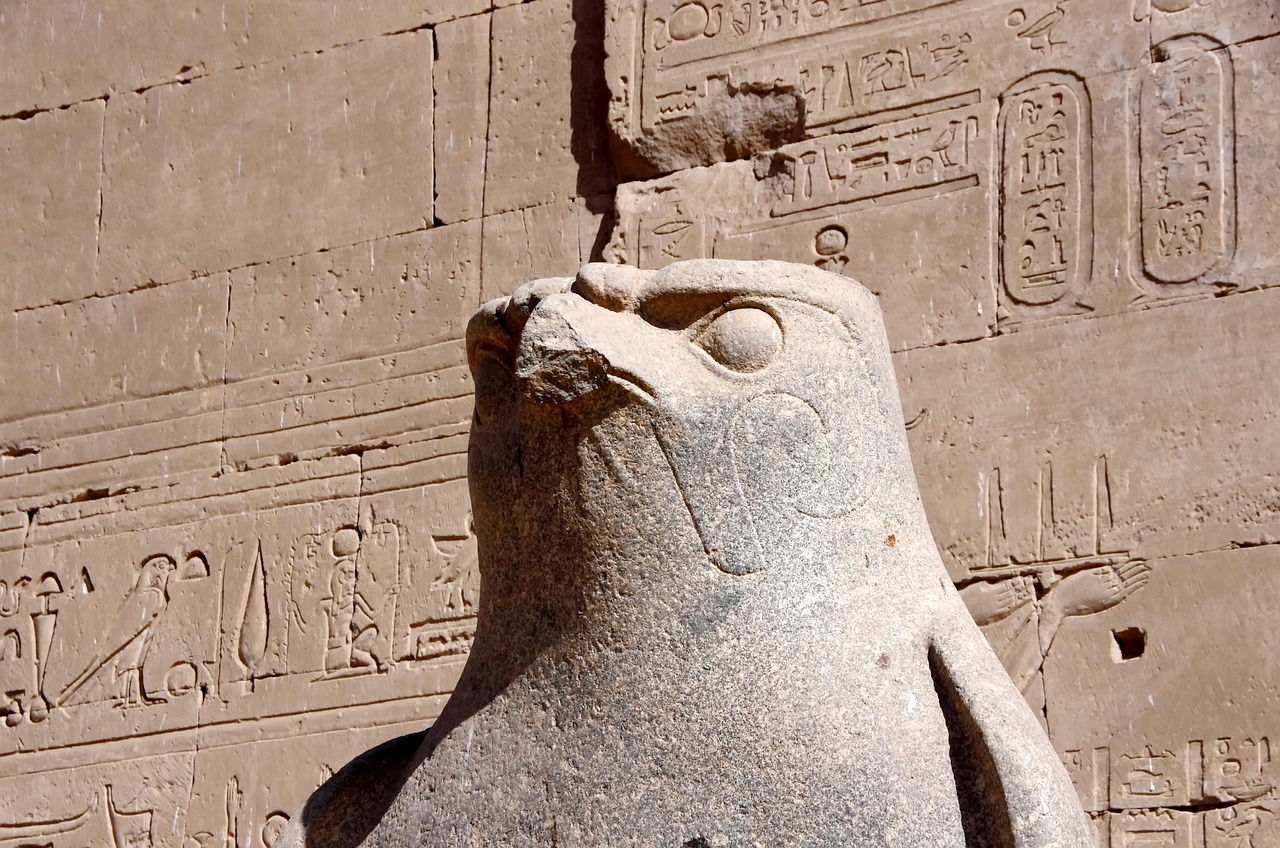
Egyptian gods were often connected to natural forces or human experiences. Below are the core figures most frequently encountered in temples and papyri:
- Ra - Sun god, creator of light and life. Represented by a falcon or a sun disk.
- Osiris - God of the afterlife, resurrection, and agriculture. Iconography includes the crook and flail.
- Isis - Mother goddess, patron of magic and healing. Often shown with a throne - shaped crown.
- Horus - Sky god, protector of the pharaoh. Depicted as a falcon or a man with a falcon head.
- Anubis - Guardian of tombs, embalming specialist. Recognized by his jackal head.
- Sekhmet - Goddess of war and fertility, fierce lioness form.
- Tutankhamun's Patron Deities - Many rulers adopted specific gods; for instance, Thutmose III favored Amun, the hidden one.
The Role of Pharaohs as Divine Intermediaries
The pharaoh was not merely a king but the living embodiment of the divine. He performed rituals that ensured the gods' favor and the land's prosperity. The Great Sphinx, the obelisks, and the colossal statues of pharaohs served as earthly reminders of the ruler's godly mandate. This duality cemented the belief that the stability of Egypt hinged on the pharaoh's piety and wisdom.
Iconography and Symbols
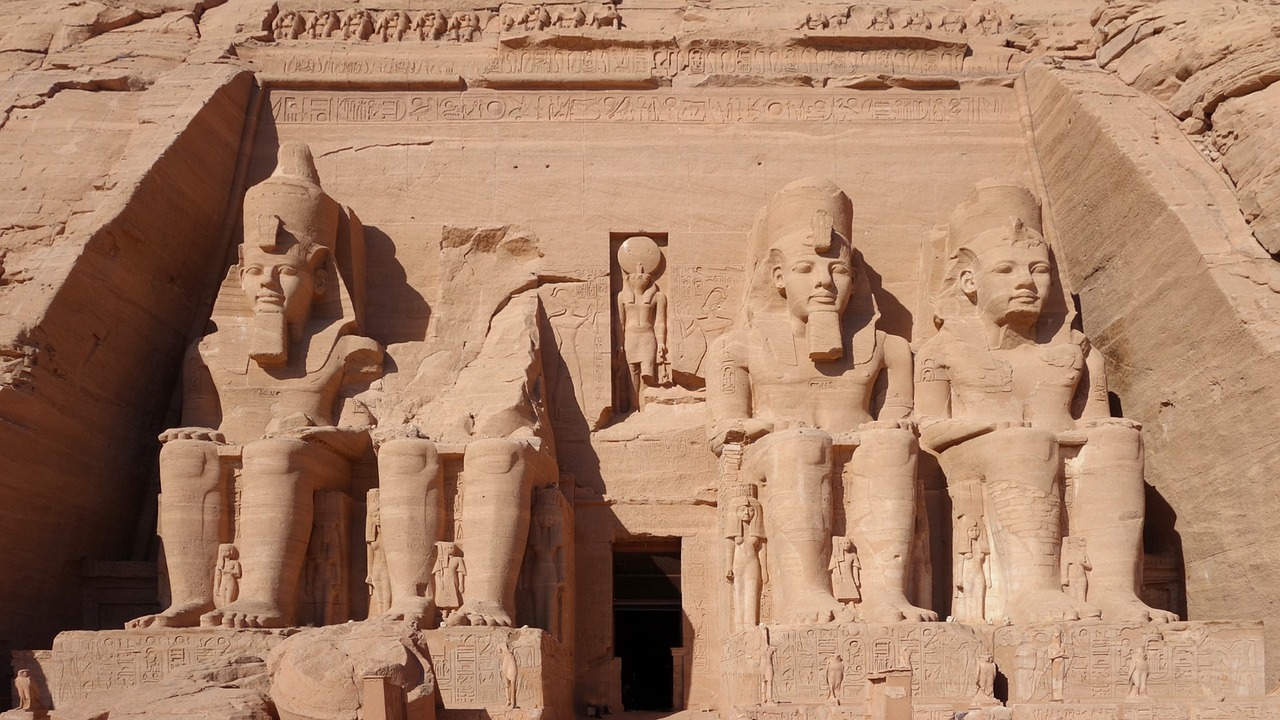
Egyptian art is rich with symbolic motifs. Understanding these helps decode ancient texts and artifacts:
- Eye of Horus - Protection and royal power.
- Ankh - Symbol of life and immortality.
- Was Scepter - Authority and dominion.
- Scarab Beetle - Rebirth, created by the sun's rays.
Each symbol could appear in amulets, tomb paintings, or daily utensils, providing spiritual comfort and social status.
Daily Life and Worship Practices
Religion permeated every aspect of Egyptian society. Temples were more than shrines; they were economic hubs where priests managed grain stores, scriptoriums, and even hospitals. Daily offerings of bread, beer, and incense were made to honor the gods and secure blessings. Festivals like the Opet and the Feast of Opet celebrated the divine cycle of rebirth, aligning the gods' myths with seasonal changes.
Why Ancient Egyptian Gods Still Matter Today
Modern culture continues to draw inspiration from Egyptian mythology. From Hollywood movies to contemporary fashion, the visual language of gods like Anubis and Isis remains iconic. the philosophical ideas - balance of chaos and order (Ma'at), the afterlife's moral judgment - echo in modern ethical debates. Studying these deities offers insight into how societies construct meaning around the unknown.
Common Questions About Egyptian Gods
- What was the difference between Ra and Amun? Ra was the sun's personification, while Amun represented hidden creative power, often merging into Amun - Ra during the New Kingdom.
- Why were gods depicted with animal heads? Animal attributes signified specific traits - falcons for sky, jackals for protection, lions for strength.
- Did Egyptians believe in a single afterlife? The afterlife was complex, featuring multiple stages - judgment by Osiris, the weighing of the heart, and the final paradise.
Practical Ways to Explore Egyptian Mythology
For those eager to dive deeper, here are actionable steps that blend learning with everyday life:
- Visit a local museum's Egyptian collection - focus on statues, sarcophagi, and temple reliefs.
- Read primary sources such as the Book of the Dead or the Pyramid Texts to experience the original language.
- Attend a themed lecture or workshop on hieroglyphics; many universities offer free online courses.
- Incorporate symbols like the ankh into jewelry or home décor to keep the myth alive.
- Experiment with Egyptian - inspired recipes - try a traditional bread (baladi) or a sweet honey cake (basbousa) as a cultural palate test.
Whether you're a history buff, a spiritual seeker, or simply curious, the gods of Ancient Egypt offer a timeless lens through which we can examine our own myths and the universal quest for meaning.