
Introduction
Leonardo da Vinci stands as a towering figure of the Renaissance, a name that evokes images of the Mona Lisa, the Last Supper, and a mind that seemed to anticipate the future. His work is not just a collection of masterpieces; it is a sign of the power of curiosity, observation, and relentless experimentation. This article invites you to explore the layers of his genius and see how his legacy remains relevant for anyone seeking to blend art, science, and innovation.
Early Life and Unconventional Education
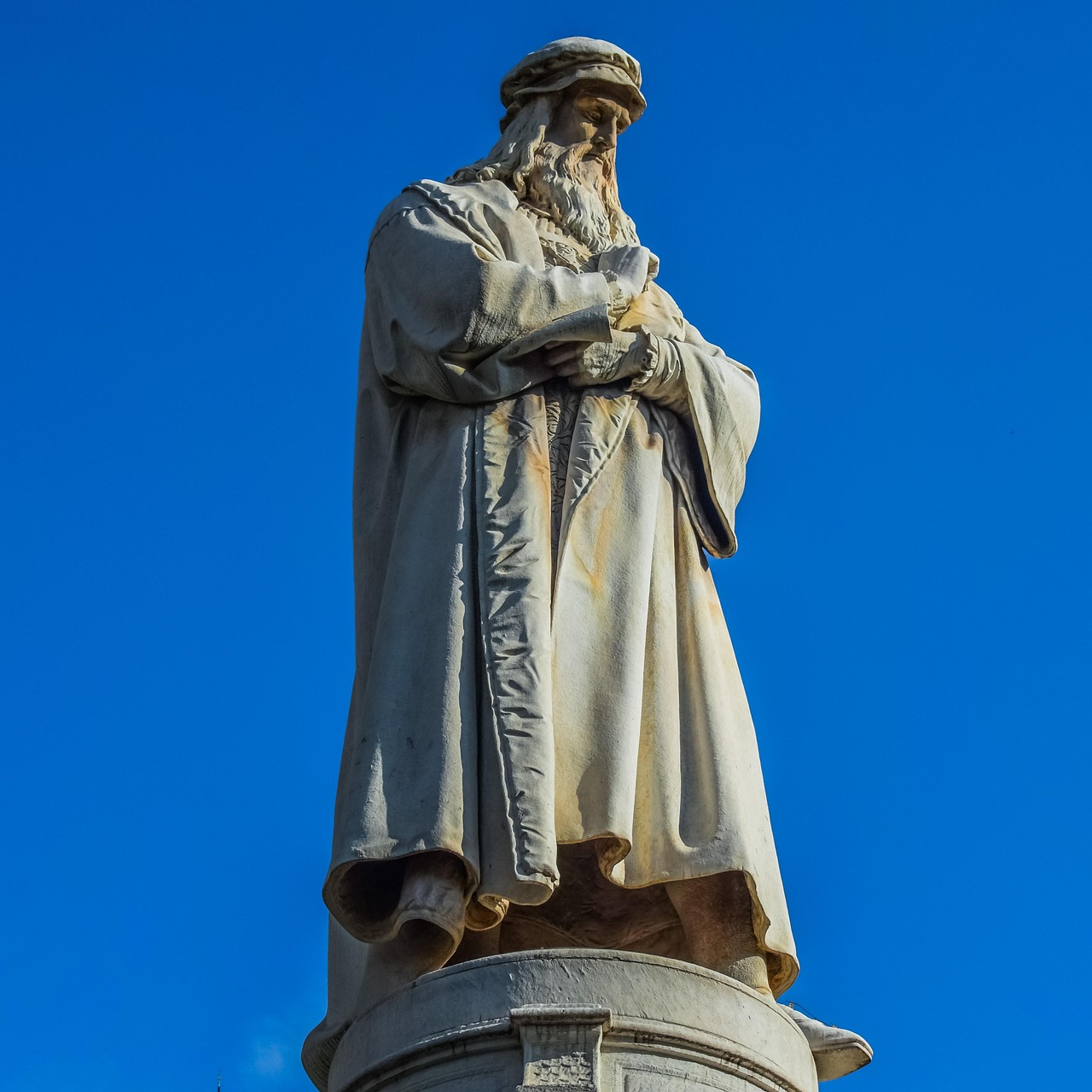
Born in 1452 in the small town of Vinci, Leonardo's early years were marked by a blend of formal apprenticeship and self‑guided learning. Apprenticed to the master painter Andrea del Bello, he absorbed traditional techniques but never stopped questioning the "why" behind every stroke. His notebooks reveal a child who spent hours sketching birds, dissecting animals, and jotting down questions about light and shadow. This dual focus - artistic skill and scientific inquiry - became the hallmark of his later work.
Artistic Mastery: Beyond the Canvas
Leonardo's paintings are celebrated for their realism, depth, and emotional resonance. Yet, his genius extended far beyond the canvas. He employed a technique called sfumato, blending colors softly to create a smoky, almost three‑dimensional effect. In the Mona Lisa, this technique gives the subject a subtle, enigmatic smile that has captivated audiences for centuries.
Beyond technique, his compositions reflect a deep understanding of geometry and perspective. In the Last Supper, he positioned each figure to guide the viewer's eye toward the central figure of Christ, creating a narrative flow that feels both balanced and dramatic.
Scientific Curiosity: Anatomy, Engineering, and Nature

Leonardo's notebooks are filled with meticulous anatomical drawings that predate modern medical illustration. By dissecting cadavers, he produced detailed diagrams of the heart, bones, and muscles - work that was ahead of its time and remains a valuable resource for students of anatomy.
His fascination with engineering led to sketches of flying machines, bridges, and armored vehicles. While many of his inventions never saw the light of day, the underlying principles - such as lift, buoyancy, and structural integrity - mirror concepts used in today's aerospace and civil engineering.
Inventions and Sketches That Prefigured Modern Technology
- Flying Machine: Leonardo's ornithopter design, based on the mechanics of bird flight, anticipated modern concepts of aerodynamic lift.
- Waterwheel and Hydroelectric Generator: His sketches of water - driven mechanisms foreshadowed the principles behind contemporary hydroelectric power.
- Self‑Propelled Cart: A precursor to the automobile, this design showcased his understanding of motion and control.
- Parachute: A pyramid - shaped canopy that illustrates his grasp of air resistance and descent control.
The Enduring Legacy of a Renaissance Polymath
Leonardo's influence stretches across disciplines. Artists study his use of light; engineers analyze his mechanical drawings; architects admire his architectural sketches. The term Renaissance man owes its origin to his embodiment of interdisciplinary brilliance.
Institutions worldwide honor his legacy through museums, research grants, and educational programs that encourage the integration of art and science. His notebooks continue to be digitized, making his insights accessible to a global audience and ensuring that his curiosity remains a living inspiration.
Frequently Asked Questions
- What made Leonardo a unique artist? He combined meticulous observation with innovative techniques like sfumato and linear perspective, creating works that feel both lifelike and deeply symbolic.
- How did he balance art and science? Leonardo approached both fields with the same methodological rigor - careful observation, detailed documentation, and a relentless drive to understand underlying principles.
- Why are his notebooks still relevant? They offer a window into the mind of a true polymath, providing valuable insights for modern scientists, artists, and thinkers who seek to cross traditional boundaries.
- Did any of his inventions ever get built? While many remained sketches, some concepts, like the waterwheel, influenced later engineering developments.
Practical Lessons We Can Learn Today
Leonardo's life offers actionable takeaways for anyone looking to innovate:
- Observe Intently: Spend time studying the world around you. Every detail, no matter how small, can spark new ideas.
- Document Continuously: Keep a sketchbook or journal. The act of recording can clarify thoughts and reveal patterns.
- Embrace Interdisciplinary Thinking: Don't limit yourself to one field. Drawing connections between art, science, and technology can lead to breakthroughs.
- Iterate Relentlessly: Test ideas, learn from failures, and refine. Leonardo's many sketches were drafts that led to perfected concepts.
- Stay Curious: Ask questions without fear of an answer. Curiosity drives discovery and keeps the mind engaged.