
Why Mythical Creatures Capture Our Imagination
Every culture has its own set of beasts that walk the line between the real and the imagined. These creatures are more than simple folklore; they embody the values, fears, and hopes of the societies that birthed them. Their stories are passed down through generations, morphing with each retelling yet never losing their core allure.
What makes these beings timeless? They offer a canvas for storytelling, a mirror for our own aspirations, and a reminder that the world still holds mysteries beyond our comprehension. Whether you're a writer, a gamer, or simply a curious reader, understanding these creatures can enrich your perspective and spark new ideas.
Common Questions About Mythical Creatures
- What is the difference between a myth and a legend? A myth usually explains natural phenomena or cultural origins, while a legend is a story about real or semi‑real people that has become exaggerated over time.
- Why do so many cultures have similar creatures? Shared human experiences - fear of the unknown, awe of nature - lead to similar archetypes, like dragons or phoenixes, appearing across continents.
- How can I use these creatures in modern storytelling? Treat them as symbols: a dragon can represent ambition or danger, a phoenix can signal rebirth. Mix traditional traits with contemporary contexts for fresh twists.
Dragons: Guardians of the Sky and Sea
Dragons appear in nearly every mythology, from the fire‑breathing beasts of European folklore to the wise, serpent‑like dragons of East Asia. Their power is often tied to the elements they command - fire, water, wind, or earth - making them versatile symbols for both creation and destruction.
- European dragons are typically winged, reptilian, and associated with greed or chaos.
- Asian dragons are slender, often benevolent, and linked to water and agriculture.
In modern media, dragons are heroes, villains, and everything in between. From the epic battles in high‑fantasy novels to the animated adventures of children's shows, the dragon remains a staple of imagination.
The Phoenix: A Tale of Eternal Renewal
The phoenix is a bird that bursts into flame at the end of its life cycle, only to rise anew from its ashes. This cycle of death and rebirth resonates with many cultures, symbolizing hope, resilience, and the cyclical nature of existence.
In literature and film, the phoenix often represents a character's personal growth or a society's recovery after catastrophe. The symbol can also inspire real‑world metaphors, such as turning a failed business into a successful venture.
Unicorns: The Essence of Purity and Mystery
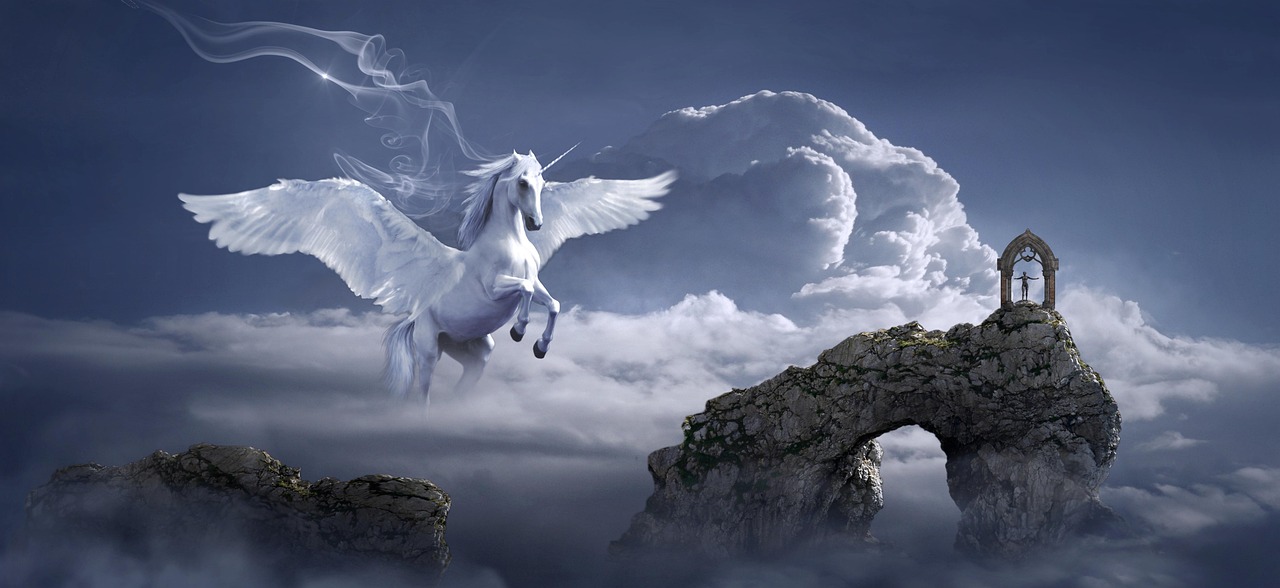
With a single spiral horn, unicorns have long been associated with purity, healing, and untamed beauty. Though most tales portray them as elusive, their presence in popular culture - ranging from fantasy novels to luxury branding - shows their enduring appeal.
Modern reinterpretations often humanize the unicorn, focusing on themes of individuality and acceptance. In creative projects, a unicorn can represent an untapped potential or an ideal that guides the narrative.
Kraken: The Depths of Human Fear
The kraken is a massive sea monster said to drag ships beneath the waves. Its myth speaks to humanity's fascination with the unknown depths of the oceans and the creatures that might dwell there.
Today, the kraken inspires everything from video games to maritime art. In storytelling, it can serve as an antagonist that tests the courage and ingenuity of protagonists.
Hydra: The Multitude of Challenges
The hydra, with many heads that regenerate when cut off, embodies the idea that some problems grow more complex when attacked superficially. It teaches the value of strategic thinking and perseverance.
In modern narratives, hydras often appear as formidable foes or puzzles that require teamwork to solve. Their regenerative trait can also symbolize resilience in the face of adversity.
Griffin: The Bridge Between Earth and Sky
With the body of a lion and the wings of an eagle, the griffin is a guardian of treasures and a symbol of divine power. Its dual nature reflects the balance between the earthly and the celestial.
In contemporary fantasy, griffins often serve as mounts or loyal companions. Their presence adds depth to world‑building, especially when exploring themes of hierarchy and protection.
Practical Ways to Bring Mythical Creatures Into Your Work
- World‑building: Use creature traits to define ecosystems, politics, or magic systems.
- Character archetypes: Let a character embody the qualities of a dragon or phoenix to signal growth or conflict.
- Visual storytelling: Incorporate symbolic imagery - like a phoenix rising - to reinforce narrative arcs.
- Marketing and branding: use the universal appeal of creatures like unicorns or dragons to create memorable logos or product lines.
Whether you're crafting a novel, designing a game, or curating a museum exhibit, mythological creatures offer a rich reservoir of symbolism and intrigue. Their stories have survived because they tap into fundamental human emotions - fear, wonder, hope - making them as relevant today as they were thousands of years ago.
So the next time you imagine a world beyond our own, remember that the legends of old are still whispering, inviting you to explore, create, and rediscover the magic that lies just beyond the horizon.