
Bright Beginnings: From Glow Sticks to Glass Bulbs
The quest for better illumination dates back to the day humanity first discovered fire. For millennia, candles, oil lamps, and torches were the primary sources of light. But as cities grew and people started working after dark, the need for a more reliable, long‑lasting light became urgent.
Who Really Lit the World?
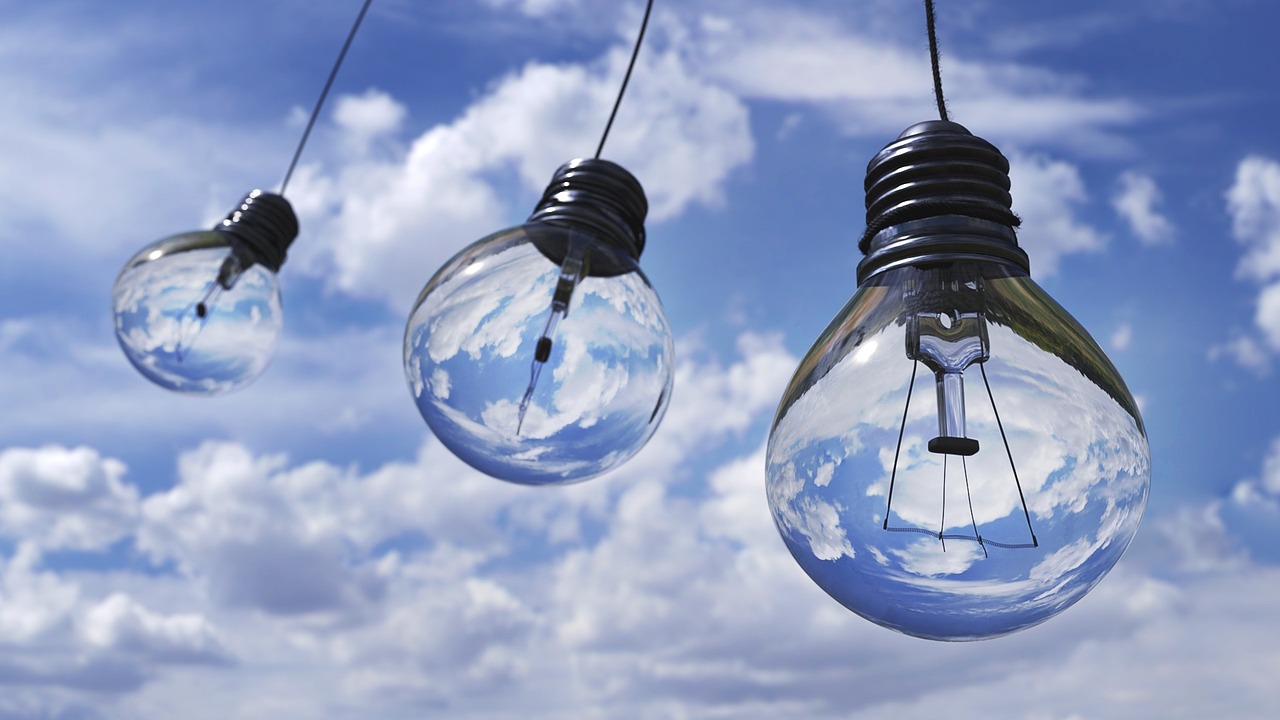
When most people hear "light bulb inventor," Thomas Edison's name pops up first. That's because he was the first to create a commercially viable, long‑lasting incandescent bulb. However, the story is a bit more complex. A handful of brilliant minds were working on electric lighting at the same time:
- Sir Humphry Davy - In the early 1800s, he experimented with passing electric current through metal filaments, creating the first electric arc lamp.
- Joseph Swan - An English scientist who built a working incandescent bulb a few years before Edison.
- Hiram Maxim - Developed a bulb that used a carbonized bamboo filament, improving longevity.
- Frederick de Moleyns - Introduced a low‑voltage electric lighting system for homes.
These pioneers all made incremental breakthroughs, but Edison's business savvy and relentless testing turned the bulb into a household staple.
From Candles to LEDs: The Evolution of Light
The incandescent bulb was just the start. Over the decades, newer technologies emerged:
- Fluorescent tubes - Use a phosphor coating to convert ultraviolet light into visible light, offering higher efficiency.
- Halogen bulbs - A variant of incandescent that burns at higher temperatures for better brightness.
- Compact fluorescent lamps (CFLs) - Smaller, more energy‑efficient versions of fluorescent tubes.
- Light‑emitting diodes (LEDs) - Modern, long‑lasting, and incredibly energy‑efficient; they use a semiconductor to emit light.
Each step reduced energy consumption and cost, while increasing the lifespan of the bulb.
Common Questions Answered
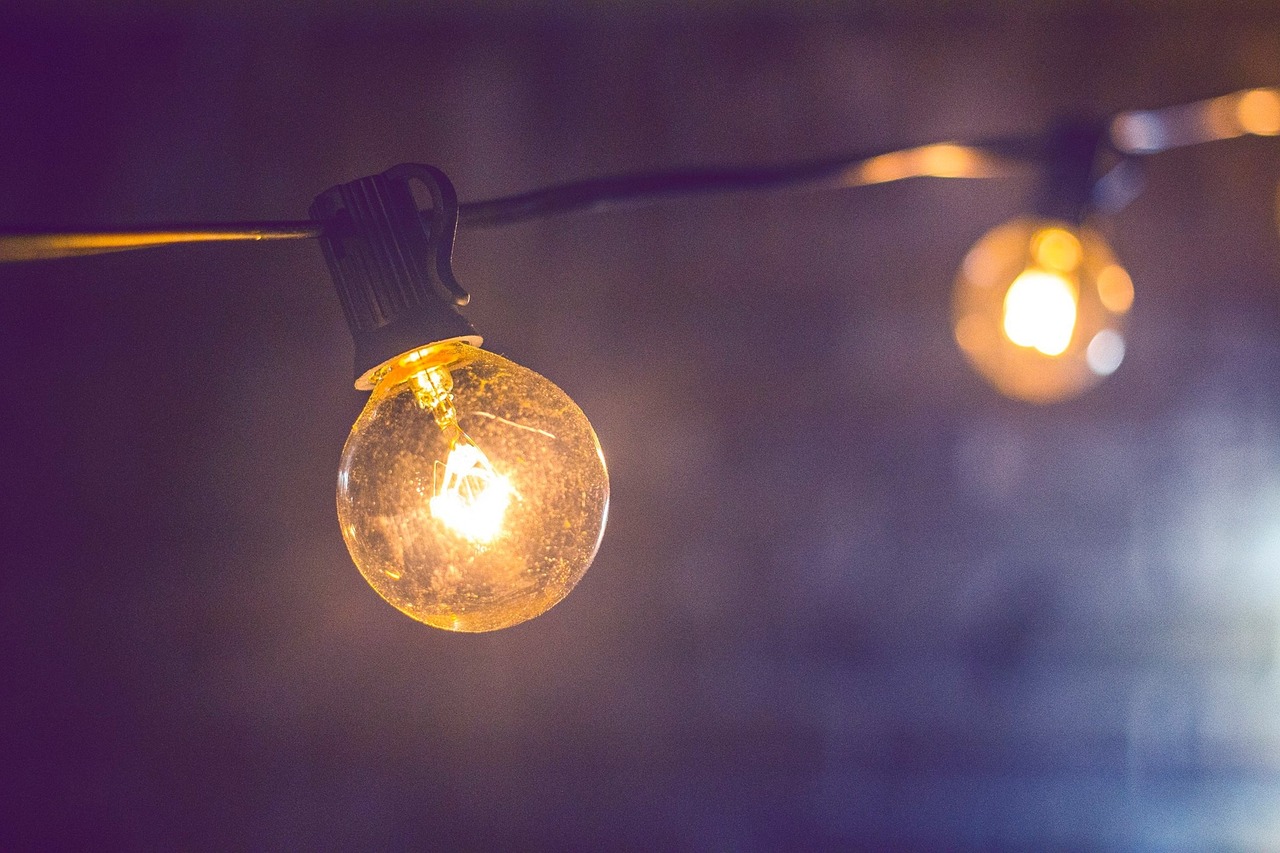
What's the difference between lumens and watts? Lumens measure brightness; watts measure energy use. An LED that uses 10 W can produce the same lumens as a 60 W incandescent bulb.
Why do some bulbs flicker? Flicker often comes from a faulty ballast in fluorescent or CFL bulbs, or a loose connection. LEDs usually don't flicker unless they're low quality.
Can I use any bulb in any fixture? Not always. Check the fixture's wattage limit and socket type (E27, E14, etc.) before swapping.
Practical Tips for Choosing the Right Light
- Match brightness to purpose - Use warmer, softer light (2700‑3000 K) for living rooms, and cooler, brighter light (4000‑5000 K) for workspaces.
- Consider energy efficiency - Look for bulbs that meet ENERGY STAR guidelines; LEDs typically use 80‑90% less energy.
- Check the lifespan - LEDs can last up to 25,000 hours, while incandescent bulbs typically last 1,000 hours.
- Factor in upfront cost vs. long‑term savings - LEDs are pricier upfront but pay off over time with lower electricity bills.
- Mind the dimmer compatibility - Many LEDs are dimmable; verify before buying.
How the Light Bulb Changed Society
Beyond making homes brighter, the light bulb sparked a cultural shift. It extended work hours, enabled nighttime commerce, and even inspired art and literature. The phrase "the light bulb moment" now symbolizes a sudden idea or revelation, a sign of its impact on our collective imagination.
What's Next? The Future of Lighting
While LEDs dominate today, research into quantum dot lighting and organic LEDs promises even brighter, more flexible, and eco‑friendly options. The goal: light that is as efficient as it is sustainable.
So next time you flip a switch, remember the countless experiments, the fierce competition, and the sheer persistence that made the humble bulb a cornerstone of modern life.