
Introduction
Prayer (Salah) is the most direct channel through which a believer connects with Allah. It is a daily reminder of our purpose and a sign of our devotion. The Qur'an reminds us, "O you who have believed, perform prayer" (Quran 2:110). In the following steps, I will walk you through the ritual in a clear, respectful manner, so you can approach each unit of prayer with confidence and humility.
1. Preparing the Body and the Mind
- Cleanliness (Wudu) - Before you begin, perform wudu. Wash your hands, mouth, nose, face, arms, wipe the head, and wash the feet, following the Prophet's example as narrated in Sahih Bukhari. Wudu purifies the body and prepares the soul for communion with Allah.
- Intention (Niyyah) - Even if not spoken aloud, the intention must be in your heart. "Allah does not judge a person by what he intends to do, but by the action he carries out" (Sahih Muslim). This simple mental act transforms the act of prayer into a sincere devotion.
- Facing the Qibla - Stand in the direction of the Ka'ba in Mecca. This unifies the entire Ummah and aligns your focus with the sacred center of Islam.
2. The Opening of the Prayer (Takbirat al - Ihram)
Begin by raising your hands to the ears or shoulders and saying All‑Alaikum, Allah‑Alaikum while reciting the Takbir (Allahu Akbar). This marks the transition from the worldly to the divine space. It is a reminder that every aspect of your life is now under the care of Allah.
3. The First Unit (Raka'ah) - From Standing to Bowing
Each unit of Salah contains a series of movements that must be performed in a specific order:
- Standing (Qiyam) - Recite the opening chapter of the Qur'an. Begin with Al‑Fatiha followed by any other short chapter (e.g., Al‑Ikhlas, Al‑Kawthar). The Prophet taught us to recite Al‑Fatiha in every unit (Sahih Bukhari).
- Ruku (Bowing) - After the recitation, say Allahu Akbar and bow, placing your hands on your knees. Say "Subhan‑Allah" three times, acknowledging Allah's greatness. The Prophet said, "The best of people are those who are most kind to their families" (Sahih Muslim) - bowing is an act of humility that reflects this kindness.
- Qawamah (Standing Again) - Rise straight, saying "Sami‑Allahu liman hamidah" (Allah hears those who praise Him) and "Rabbana laka al‑Falaḥ" (Our Lord, for you is the success).
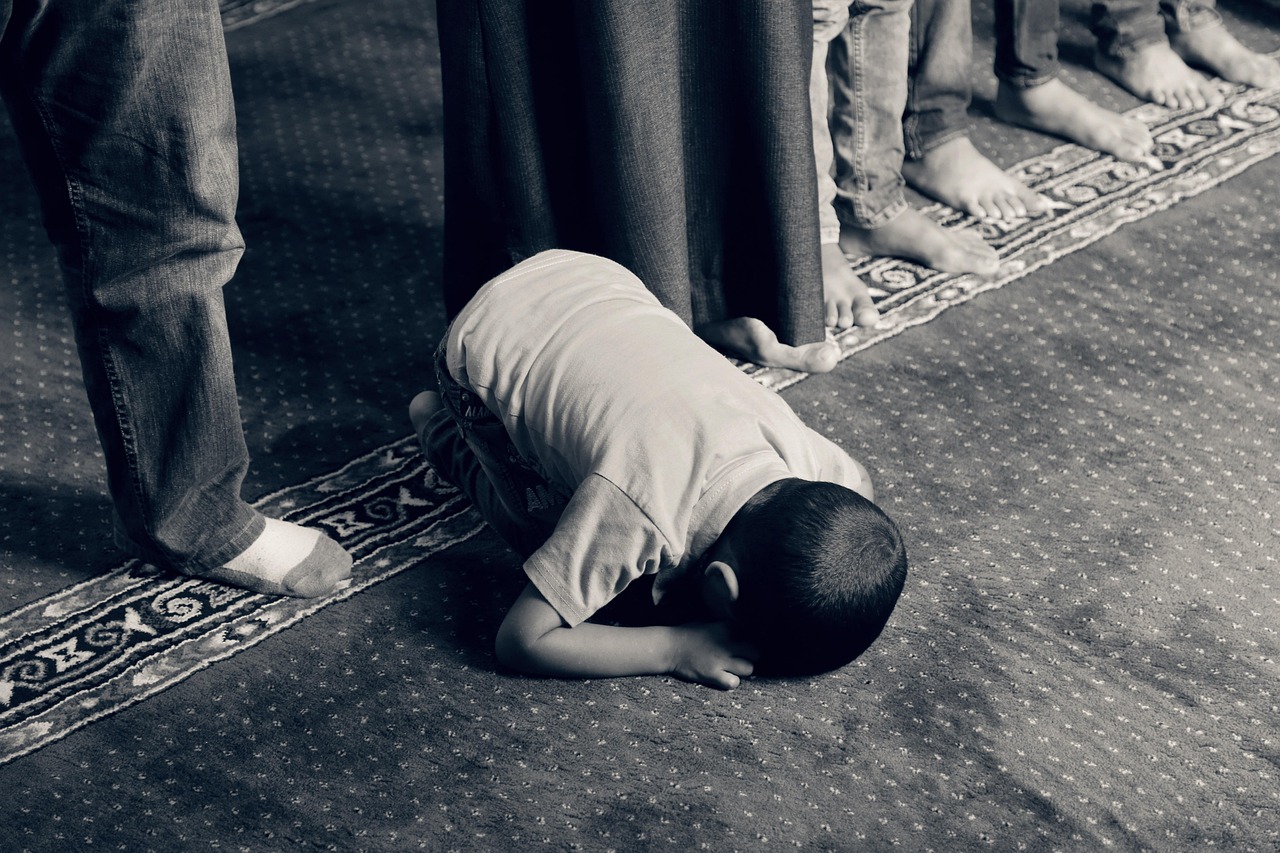
- Sujood (Prostration) - Prostrate with your forehead, nose, hands, knees, and toes touching the ground. Say "Subhan‑Allah" three times. In prostration, the Prophet taught, "Whoever prostrates in my likeness, then Allah will raise him in this world and the Hereafter" (Sahih Muslim).
- Jalsa (Sitting Between Prostrations) - Sit for a brief moment, saying "Allahu Akbar". This pause allows you to reflect on the humility you just performed.
- Repeat the sujood, ending with "Allahu Akbar" and rising for the second unit.
4. The Second Unit (Raka'ah) - Completing the Core Movements
Repeat the sequence of standing, bowing, standing, prostrating, sitting, and prostrating. After the second sujood, you will proceed to the final part of the prayer.
5. The Tashahhud - Testimony of Faith
After the final sujood of the second unit, sit and recite the Tashahhud (the testimony of faith). It reads: "All‑Praise be to Allah. I testify that there is no deity worthy of worship except Allah and that Muhammad (peace be upon him) is the messenger of Allah." This affirmation anchors the prayer in the core tenets of Islam.
6. The Final Salam - Returning to the World
Conclude the prayer by turning your head to the right and saying "As‑salaamu 'alaykum wa rahmatullah", then to the left, repeating the same phrase. The Prophet said, "The best of prayers is the one performed in a straight line" (Sahih Bukhari). The salam restores the balance between the spiritual and the worldly realms.
Optional Sunnah and Nafl Prayers
Besides the obligatory units, many Muslims perform additional Sunnah (voluntary) prayers. These are highly recommended, as the Prophet said, "Whoever performs the Sunnah of a prayer, he will have the reward of the obligatory prayer" (Sahih Muslim). They strengthen the habit of prayer and deepen the connection with Allah.
Practical Tips for a Focused Prayer
- Choose a quiet place where you will not be disturbed.
- Wear clean clothing and ensure your surroundings are tidy.
- Take a few deep breaths before the Takbir to center your thoughts.
- Focus on the meaning of the verses you recite; understanding the Qur'an enhances sincerity.
- Keep your heart in a state of humility, recognizing Allah's mercy in every breath.