
1. Prepare Like a Pro
Before you even open your laptop, start by defining your objectives. What is the minimum you can accept? What would be the ideal outcome? Write these down. In 2026, businesses still value data, so gather market benchmarks, competitor pricing, and any comparable contracts. This research will back every claim you make.
Next, build a negotiation playbook. Include:
- Key talking points - the core value you bring.
- Objection responses - ready answers for "Why is this so expensive?" or "We can get a lower price elsewhere."
- Negotiation timeline - who needs to sign, when decisions are due.
2. Know Your Numbers
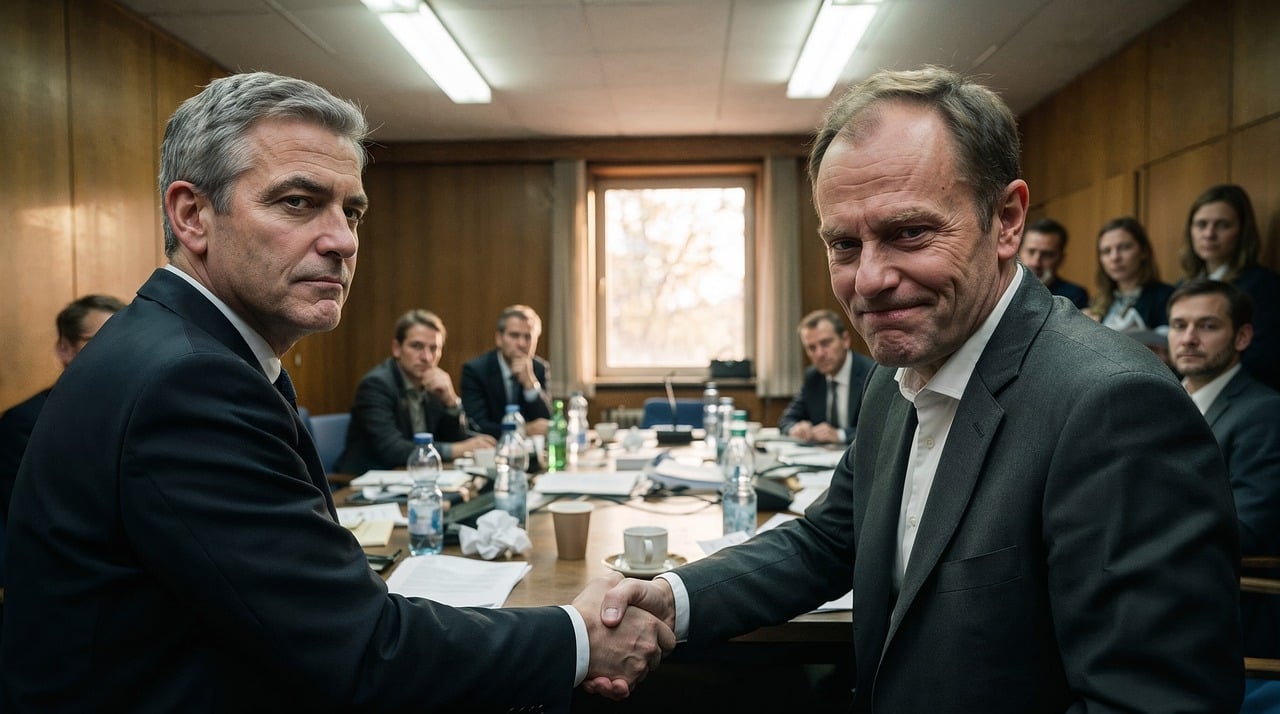
Numbers are the lifeblood of any deal. Calculate:
- Cost of goods/services - raw material, labor, overhead.
- Desired margin - usually 20‑30% for new contracts.
- Break‑even point - how many units or days it takes to cover costs.
- Potential discount thresholds - e.g., 10% off for a 12‑month commitment.
When you present figures, frame them as benefits to the other party. For instance, "A 12‑month contract at this rate guarantees you a 15% discount, saving you an estimated $30,000 annually."
3. Build Rapport Before the Offer

People buy from people they trust. Start the conversation with a brief, genuine check‑in. Ask about their recent project successes or industry news. This light, non‑sales chat primes them to view you as a partner, not a pressure‑seller.
Use active listening: nod, paraphrase, and confirm. When the other side says, "We're looking for a reliable supplier," reply, "I understand reliability is key. Here's how our track record proves that."
4. Craft a Win‑Win Proposal
Present a proposal that solves a problem for both sides. Use the S.O.P. method:
- S - State the problem: "We've seen a 5% drop in your delivery times this quarter."
- O - Offer your solution: "Our logistics system can cut transit time by 20%."
- P - Present the payoff: "That means fewer stockouts and higher customer satisfaction."
Offer tiered pricing or bundled services. For example, "If you sign a two‑year agreement, we'll add premium support at no extra cost." This shows flexibility and forward thinking.
5. Listen, Adapt, and Close
Negotiation is dynamic. As the other party raises concerns, pause, acknowledge, and adapt. Use the STAR technique to respond:
- S - Situation: "Your budget is tight."
- T - Task: "We need to deliver on time."
- A - Action: "We can phase the rollout to spread costs."
- R - Result: "This keeps your cash flow healthy while still meeting project milestones."
When the conversation starts to stall, shift to a concrete next step: "Let's draft a draft contract and set a follow‑up meeting for next Friday." This keeps momentum moving forward.
Common Questions Answered
Q: How do I handle a price objection?
A: Reframe the value. Instead of "That's too expensive," say "This price includes X, Y, and Z, which together deliver a total annual saving of $X."
Q: What if the other party wants more concessions?
A: Identify non‑price levers - extended payment terms, additional support, or a pilot phase. These can satisfy their needs without eroding your margin.
Q: When is the right moment to close?
A: When both parties have agreed on the core terms and the other side signals readiness (e.g., "We can sign today"). Don't wait for a perfect contract; get the deal signed and refine later.