
Why Growing in Dry Climates is Challenging
Dry climates are defined by low rainfall, high evaporation rates, and often extreme temperatures. For farmers, this means water is a scarce resource, soils can be nutrient‑poor, and crops are at constant risk of drought stress. Yet, across the world, growers have turned these obstacles into opportunities by adopting smart practices that conserve water, enhance soil health, and select crops that naturally thrive in arid conditions.
Key Strategies for Water Efficiency
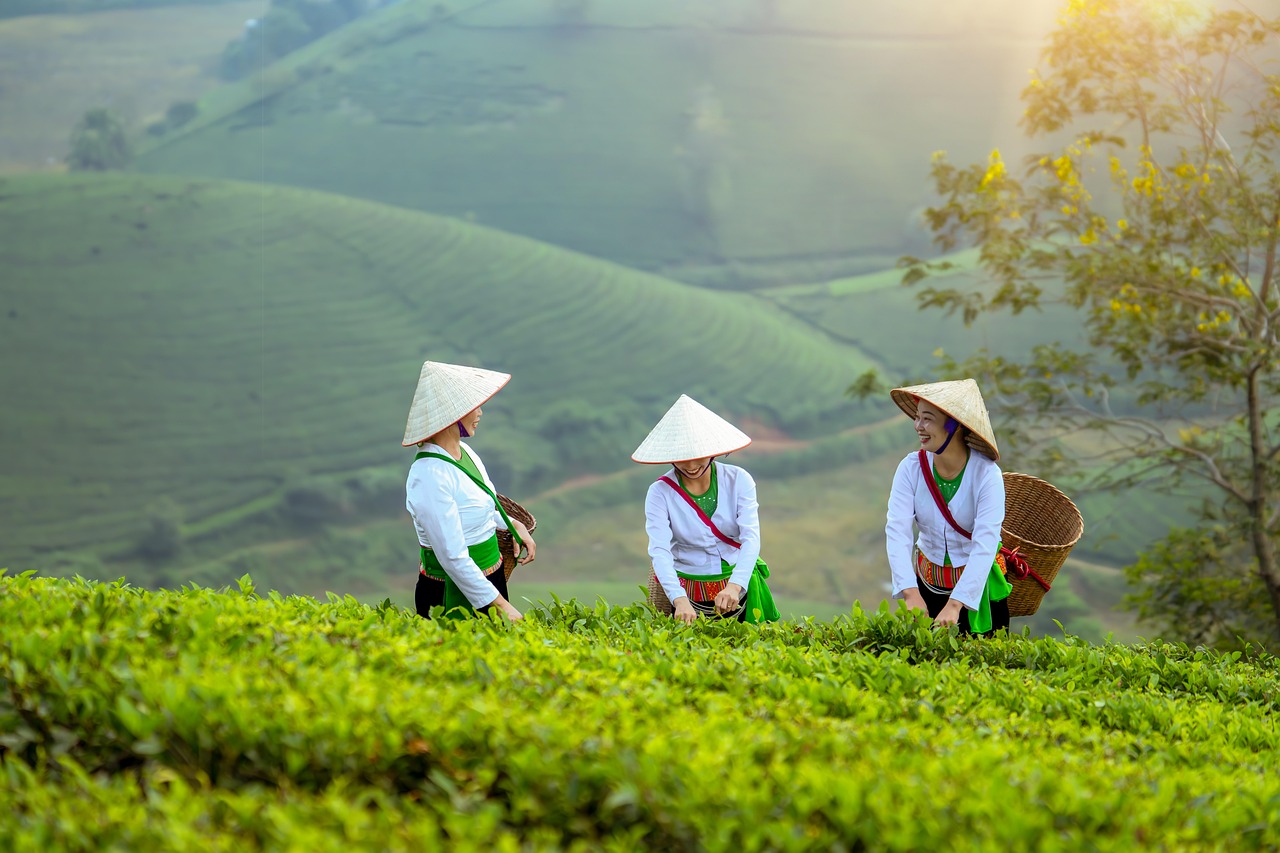
Water is the lifeblood of agriculture. In dry regions, farmers focus on water‑saving irrigation methods and techniques that reduce runoff and evaporation.
- Drip Irrigation delivers water directly to the root zone, reducing evaporation by up to 50 % compared to flood irrigation.
- Subsurface Drip Systems place emitters underground, keeping soil moist while keeping the surface dry - ideal for hot, windy areas.
- Micro‑Sprinklers allow for adjustable spray patterns and lower pressure, which helps cover a larger area with less water.
- Rainwater Harvesting captures seasonal rains into storage tanks, ensuring a buffer supply during dry spells.
- Using soil moisture sensors helps farmers apply water only when needed, preventing waste.
Choosing the Right Crops
Not all crops can survive on limited water. Farmers often turn to drought‑tolerant varieties and crops that have a short growing cycle.
- Millet, Sorghum, and Teff are staples in many arid regions because they require less water and can grow in poor soils.
- Legumes such as chickpeas and lentils fix nitrogen, improving soil fertility and reducing the need for synthetic fertilizers.
- Herbs like rosemary and oregano thrive on low water and can be harvested multiple times a year.
- Cover crops such as clover or vetch protect soil from erosion and add organic matter during the off‑season.
Soil Management and Conservation
Healthy soil retains water and nutrients, which is essential in dry climates. Farmers employ several practices to keep the soil alive and productive.
- Mulching with straw, leaves, or synthetic films reduces evaporation, keeps the soil cooler, and suppresses weeds.
- Conservation Tillage minimizes soil disturbance, preserving structure and moisture.
- Adding organic compost or biochar increases porosity, allowing the soil to hold more water.
- Implementing crop rotations with deep‑rooted species helps break pest cycles and improves soil aeration.
Technology and Innovation
Modern tools have become game‑changers for dry‑climate farmers. Even in remote areas, affordable tech can boost efficiency.
- Mobile apps provide real‑time weather forecasts, soil moisture alerts, and pest monitoring.
- Solar‑powered irrigation pumps eliminate the need for diesel, cutting costs and emissions.
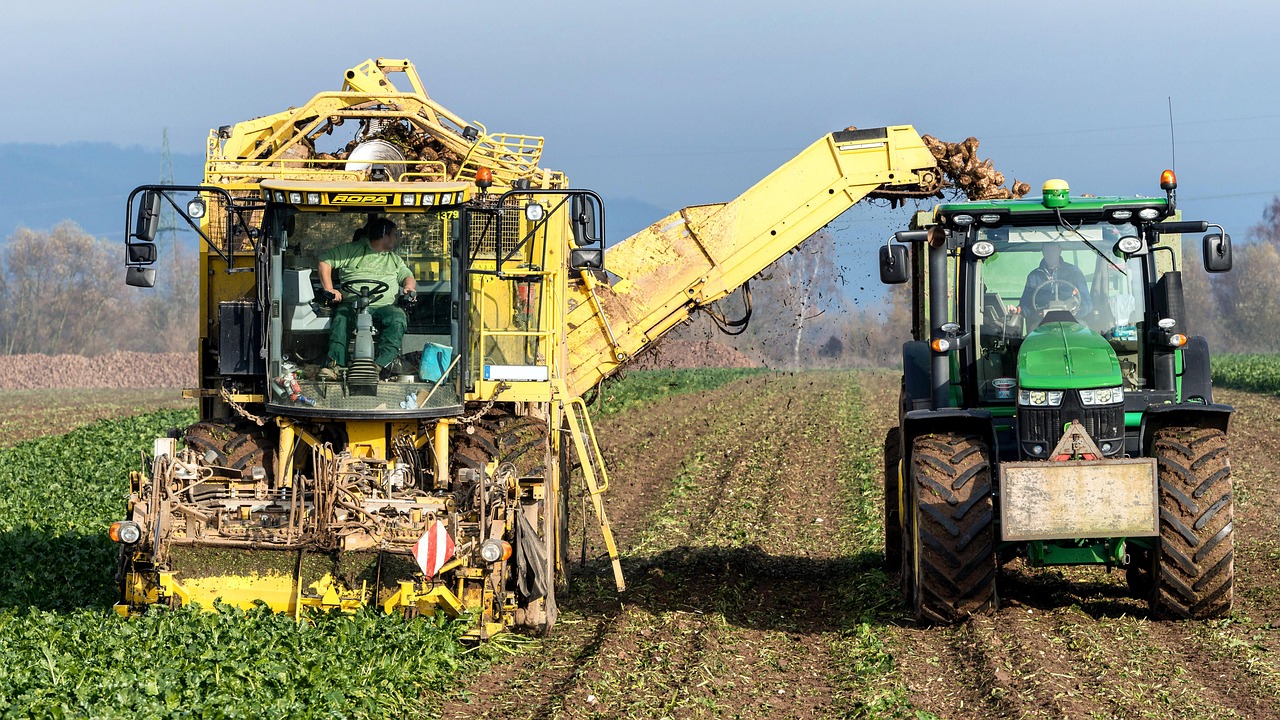
- Precision agriculture equipment - like GPS‑guided tractors - ensures even water distribution and reduces fuel consumption.
- Remote sensing via drones captures canopy health, enabling early intervention before crops succumb to drought.
Case Study: A Smallholder Success Story
In the Sahel region, a cooperative of 20 farmers adopted drip irrigation and drought‑tolerant millet. By combining solar pumps with a community‑run water storage system, they increased yields by 35 % and cut water usage by 40 %. The cooperative also invested in a shared seed bank, ensuring that high‑quality, climate‑resilient varieties were available to everyone.
Practical Tips for Every Farmer
Whether you're a new farmer or a seasoned pro, these actionable steps can help you adapt to dry conditions:
- Start with a soil test. Knowing pH, nutrient levels, and texture helps you tailor amendments.
- Use rain‑fed zones to allocate water to the most critical crops first.
- Adopt early‑maturing varieties so plants finish before the hottest part of the season.
- Implement community water‑sharing agreements to manage scarce resources fairly.
- Regularly monitor plant health and intervene quickly when signs of stress appear.