
From Bombay to the World
Bollywood, the nickname for Mumbai's prolific film industry, began as a local storytelling hub in the 1930s. By 2026, it's a global powerhouse, producing over 1,200 films annually and generating a revenue that rivals Hollywood's. The sheer volume of content has forced international filmmakers to rethink how they capture audience attention. Shorter, more dynamic narratives with built‑in musical numbers have become a template for engaging viewers in an age of short‑form media.
Cultural Melodies: Music and Dance
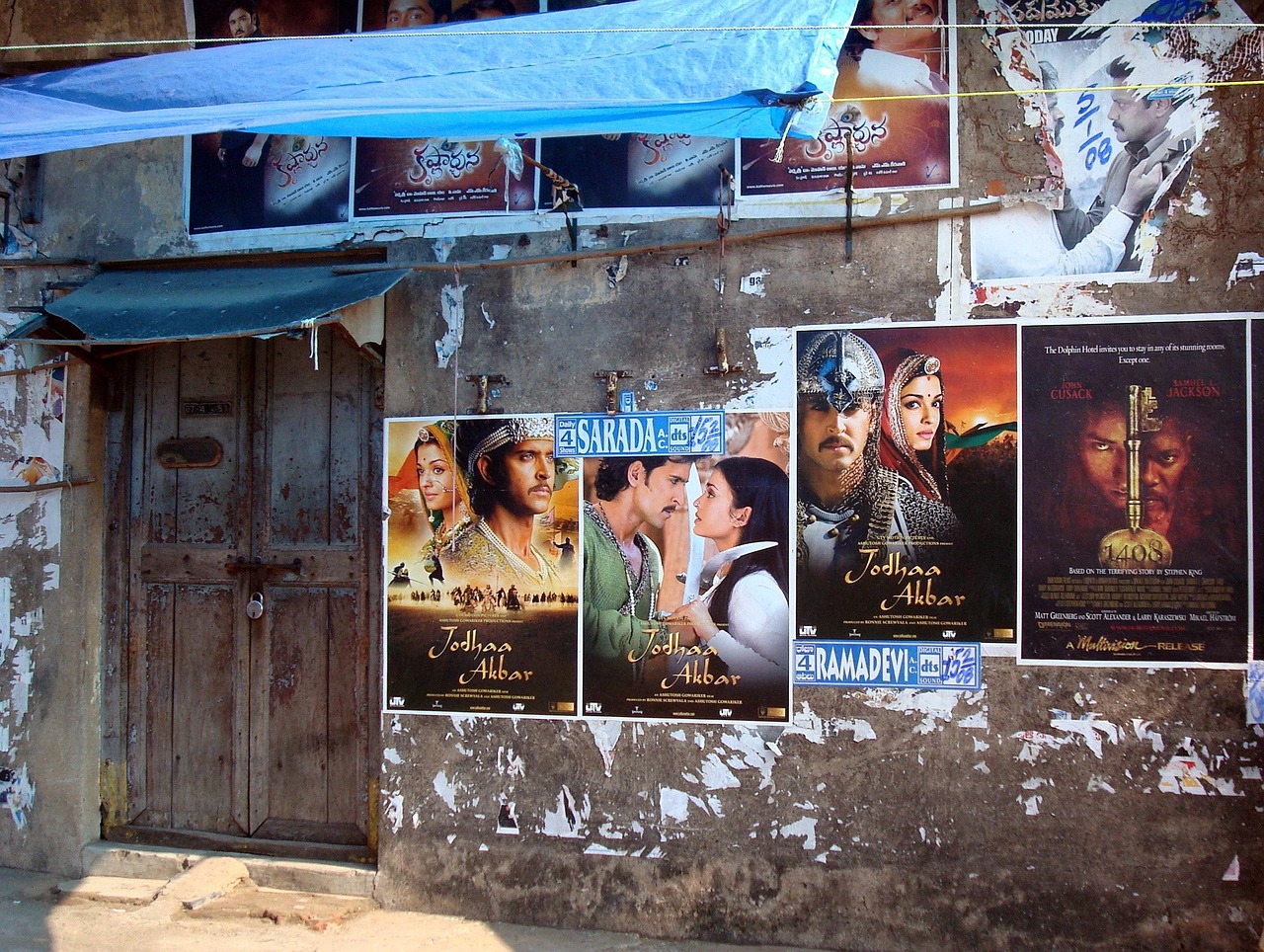
One of Bollywood's most distinct contributions is the smooth integration of music and dance into the narrative. Songs are not mere background; they advance plot, reveal character arcs, and amplify emotion. This structure has inspired filmmakers worldwide to treat music as a storytelling device rather than an afterthought. In 2026, we see more films - Hollywood, Korean, and even French - adopting song‑and‑dance sequences, especially in family‑drama and fantasy genres.
- Emotional Beats: Songs capture complex feelings - love, heartbreak, triumph - in a single 90‑second montage.
- Visual Spectacle: Lavish choreography and vibrant sets set a high bar for production design.
- Global Soundtracks: Bollywood composers collaborate with international artists, creating cross‑cultural hits that top streaming charts.
Storytelling with Emotion
Bollywood narratives often weave together multiple storylines - romance, family drama, social commentary - into a single, cohesive tapestry. This multi‑threaded approach gives filmmakers a blueprint for handling complex themes without alienating viewers. The "ensemble cast" model, popularized by films like 3 Idiots and Dangal, is now a staple in global cinema, especially in blockbusters that aim for both critical acclaim and box‑office success.
Technological Innovations

While Hollywood is often credited with pioneering digital effects, Bollywood has been a rapid adopter and innovator. In 2026, the industry has embraced high‑frame‑rate filming, 3D, and virtual production techniques, often at a fraction of the cost. These advances have made high‑quality visual storytelling accessible to emerging markets, encouraging a wave of independent filmmakers who blend Bollywood flair with cutting‑edge technology.
Global Collaborations
Co‑productions between Indian studios and international partners have become a mainstay. Films like The Lion King 2 (Indian voice‑over) and the recent Bollywood‑Hollywood hybrid Shiva's Quest showcase how storytelling traditions can merge. These collaborations expand market reach, bring diverse talent on board, and set new standards for cross‑cultural narrative coherence.
Challenges and Opportunities
Despite its influence, Bollywood faces challenges such as content censorship, gender representation, and maintaining originality amid formulaic blockbusters. Yet, these obstacles also spark innovation. In 2026, streaming platforms are investing in original Bollywood content, allowing filmmakers to experiment with niche genres - science fiction, horror, and documentary - without the constraints of traditional theatrical releases.
What Filmmakers Can Learn
- Blend Music & Narrative: Even non‑musical films can use short, thematic songs to underscore key moments.
- Embrace Ensemble Casts: Diverse character arcs keep audiences invested and allow for richer world‑building.
- Invest in Visual Storytelling: Use color palettes and choreography to convey mood, a technique Bollywood masters.
- use Global Partnerships: Co‑productions broaden distribution and introduce fresh creative perspectives.
- Prioritize Accessibility: Subtitles, dubbing, and culturally sensitive marketing can open new markets.
FAQs
Q: Does Bollywood influence only Indian diaspora audiences?
A: No. Bollywood's universal themes - love, struggle, triumph - resonate across cultures, evident in its growing popularity in Southeast Asia, Africa, and even parts of Europe.
Q: How has Bollywood impacted Hollywood's blockbuster model?
A: Hollywood has adopted multi‑storyline structures, elaborate musical numbers, and high‑budget dance sequences, especially in family and fantasy films.
Q: What's the future of Bollywood in the streaming era?
A: In 2026, streaming platforms are funding original Bollywood series, encouraging content that is binge‑friendly while retaining cultural authenticity.
In sum, Bollywood's vibrant mix of music, dance, emotional storytelling, and technological savvy has redefined what cinema can be. As we look ahead to 2027, the industry's influence will only deepen, inspiring filmmakers worldwide to create stories that are as colorful and emotionally resonant as the silver screens of Mumbai.