
Introduction
Anthropology is the study of humanity in all its forms. By looking at how people think, feel, and act across time and space, anthropologists uncover patterns that explain why cultures differ and yet share common threads.
The Core Methods
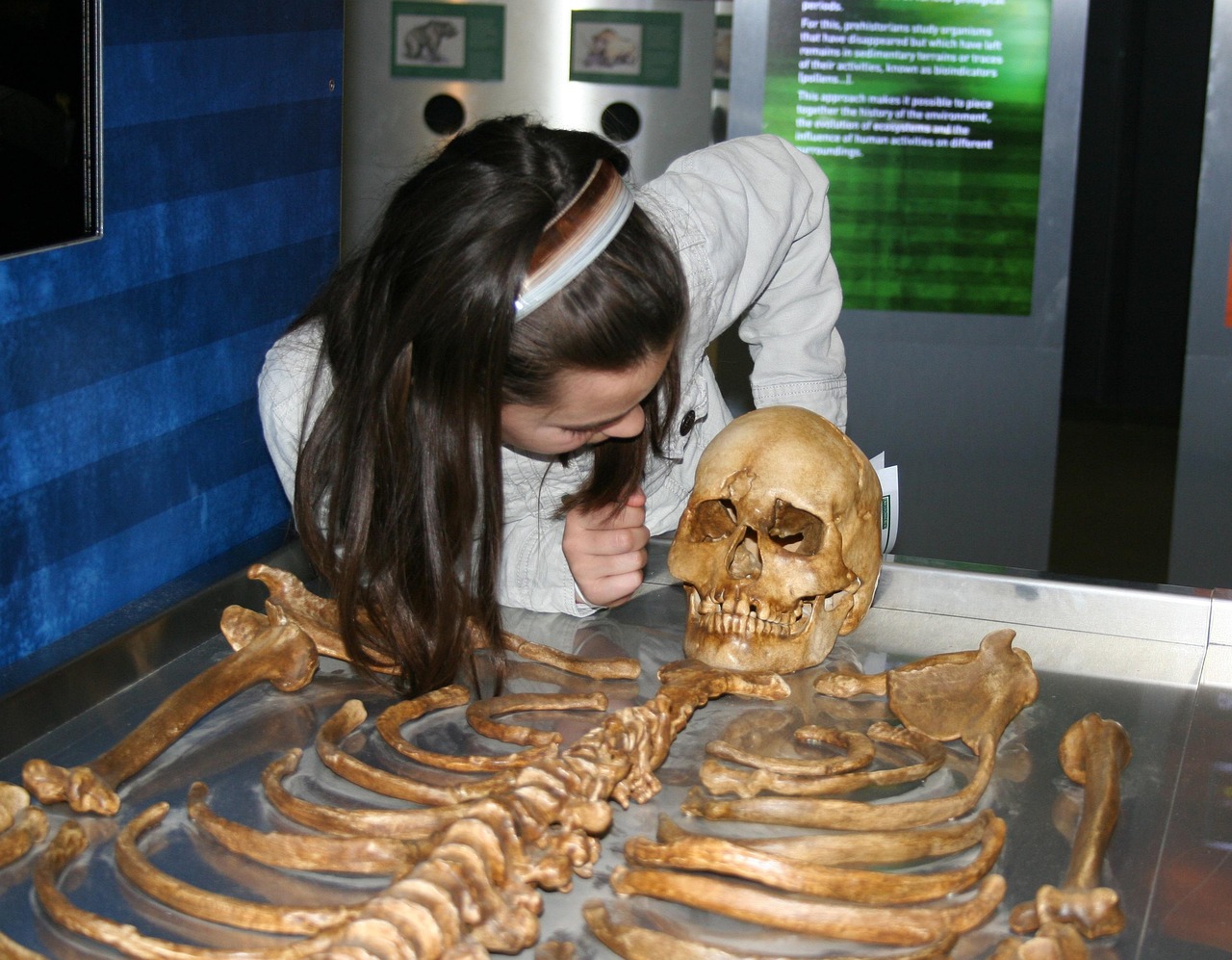
Anthropology blends qualitative and quantitative tools. At its heart are four main branches that together paint a full picture of human behavior:
- Cultural Anthropology - the study of contemporary societies and their rituals, beliefs, and everyday life.
- Biological (Physical) Anthropology - the exploration of our evolutionary past and the biological roots of behavior.
- Linguistic Anthropology - how language shapes thought and social organization.
- Archaeology - the reconstruction of past societies from material remains.
Ethnography and Participant Observation
Ethnography is the gold standard of cultural anthropology. Researchers immerse themselves in a community for months or years, living like a local, eating the same meals, and participating in daily routines. This method reveals the "rules of the game" that guide social interaction - rules that may be invisible to outsiders.
Through participant observation, anthropologists note:
- How people greet each other.
- The division of labor in household chores.
- Conflict resolution practices.
- Rituals that mark life transitions.
Structured Interviews and Surveys

While field notes capture nuance, structured interviews and surveys bring breadth. Researchers design questions that allow comparison across groups. The data can then be coded, quantified, and statistically analyzed, revealing patterns such as gender roles, educational attainment, or health behaviors.
Comparative and Cross‑Cultural Studies
Anthropologists often compare two or more societies to identify universal human tendencies and culture‑specific variations. Classic examples include:
- The prevalence of gift - giving across cultures.
- The role of storytelling in preserving history.
- Variations in dietary practices and their health outcomes.
These comparisons help separate what is biologically innate from what is socially learned.
Archaeology and the Past
Archaeologists study the material traces left by ancestors - tools, pottery, architecture, and even footprints. By dating and contextualizing these artifacts, they infer behaviors such as hunting strategies, trade networks, and social hierarchies. For example, the distribution of burial goods can reveal beliefs about death and social status.
Biological Anthropology and Evolutionary Context
Biological anthropologists examine human fossils, genetics, and comparative anatomy to understand how our bodies influence behavior. Topics include:
- How brain size correlates with tool use.
- The genetic basis of lactose tolerance in pastoral societies.
- The evolution of social bonding mechanisms.
These insights highlight the deep roots of cultural practices and their adaptive value.
Language and Communication
Linguistic anthropologists study how language shapes cognition and social structure. By analyzing grammar, discourse patterns, and storytelling traditions, they uncover how communities construct identity, negotiate power, and maintain cohesion.
Why Anthropology Matters Today
Anthropology offers practical tools for modern challenges:
- Cross‑Cultural Communication - Understanding cultural norms improves diplomacy, business negotiations, and healthcare delivery.
- Public Policy - Anthropological research informs policies on migration, education, and urban planning by revealing local values and needs.
- Health Interventions - Cultural insights help design effective health campaigns that respect beliefs and practices.
Common Questions
What is ethnography? It is a method of detailed, immersive fieldwork that captures the lived experience of a community.
How does anthropology differ from psychology? Psychology focuses on individual cognition and behavior in controlled settings, while anthropology looks at behavior within broader cultural, historical, and biological contexts.
Can I apply anthropological insights in everyday life? Absolutely. Whether you're traveling, managing a team, or learning a new language, awareness of cultural patterns enhances empathy and effectiveness.
Practical Tips for Curious Readers
- Start with a local community: Attend a cultural event, volunteer, or simply observe. Notice the small rituals that bind people together.
- Keep a journal of observations - note not only what you see but also how it makes you feel. This mirrors the field notes of a budding anthropologist.
- Read diverse ethnographies to see how different researchers interpret similar behaviors. Books, documentaries, and podcasts are great entry points.
- Ask open‑ended questions when you meet someone from another background. Listen more than you speak.