
Why the Steam Engine Matters Today
The steam engine is more than a relic of the past; it's a cornerstone of modern engineering and a symbol of human ingenuity. Its principles - converting heat into mechanical work - underpin everything from power plants to high‑speed trains. Understanding its history helps us appreciate how far we've come and inspires new ways to use energy responsibly.
Early Sparks: Pre‑Industrial Experiments
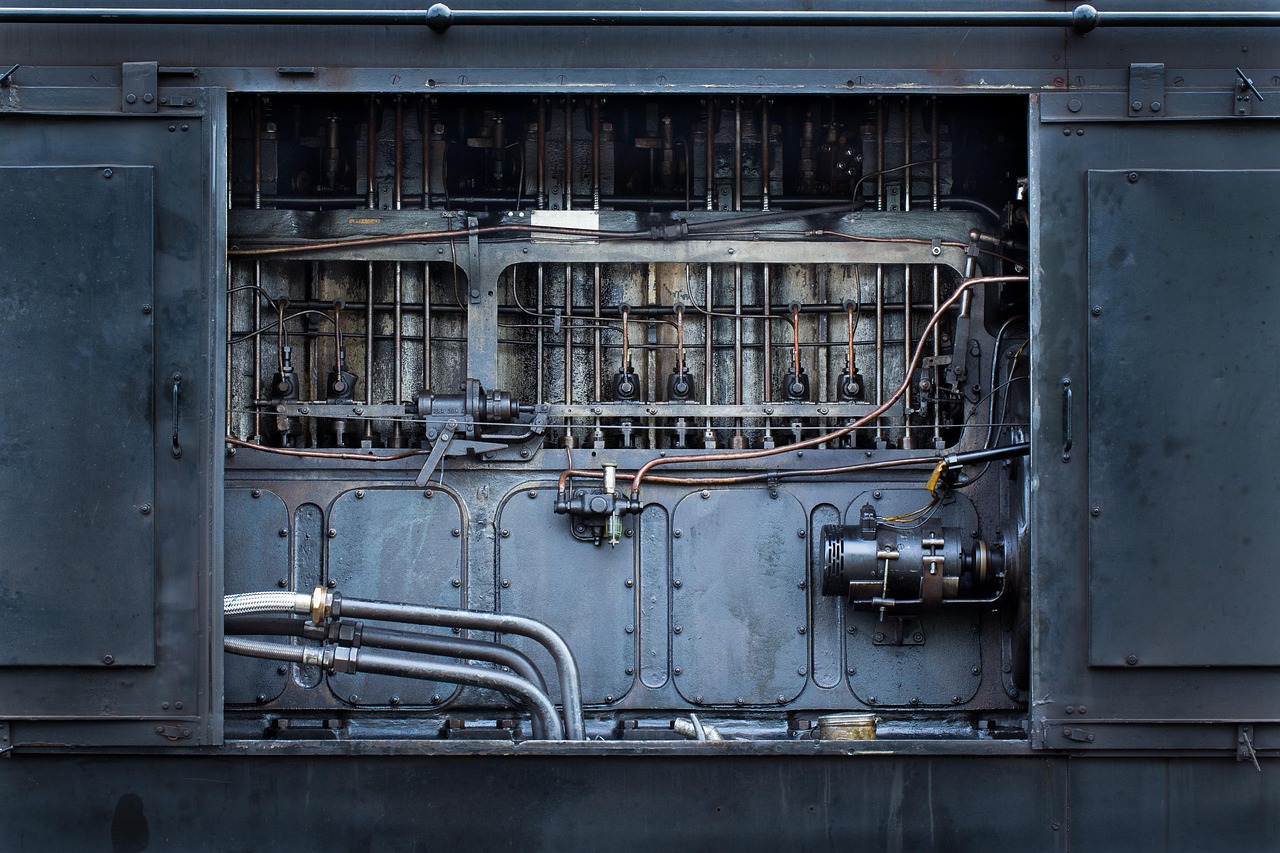
Before the age of steam, inventors like Hero of Alexandria and Al - Jazari explored simple machines that used water and air. These early demonstrations laid the groundwork for understanding how pressure could move pistons, a concept that would later become central to steam technology.
From Simple Boilers to Powerful Engines
In the 17th century, the first true steam engines appeared as crude boilers that lifted water. Though limited in power, they proved the feasibility of converting heat into motion. The real breakthrough came when inventors began designing engines that could perform work on external machinery, not just lift water.
James Watt: Refining the Idea
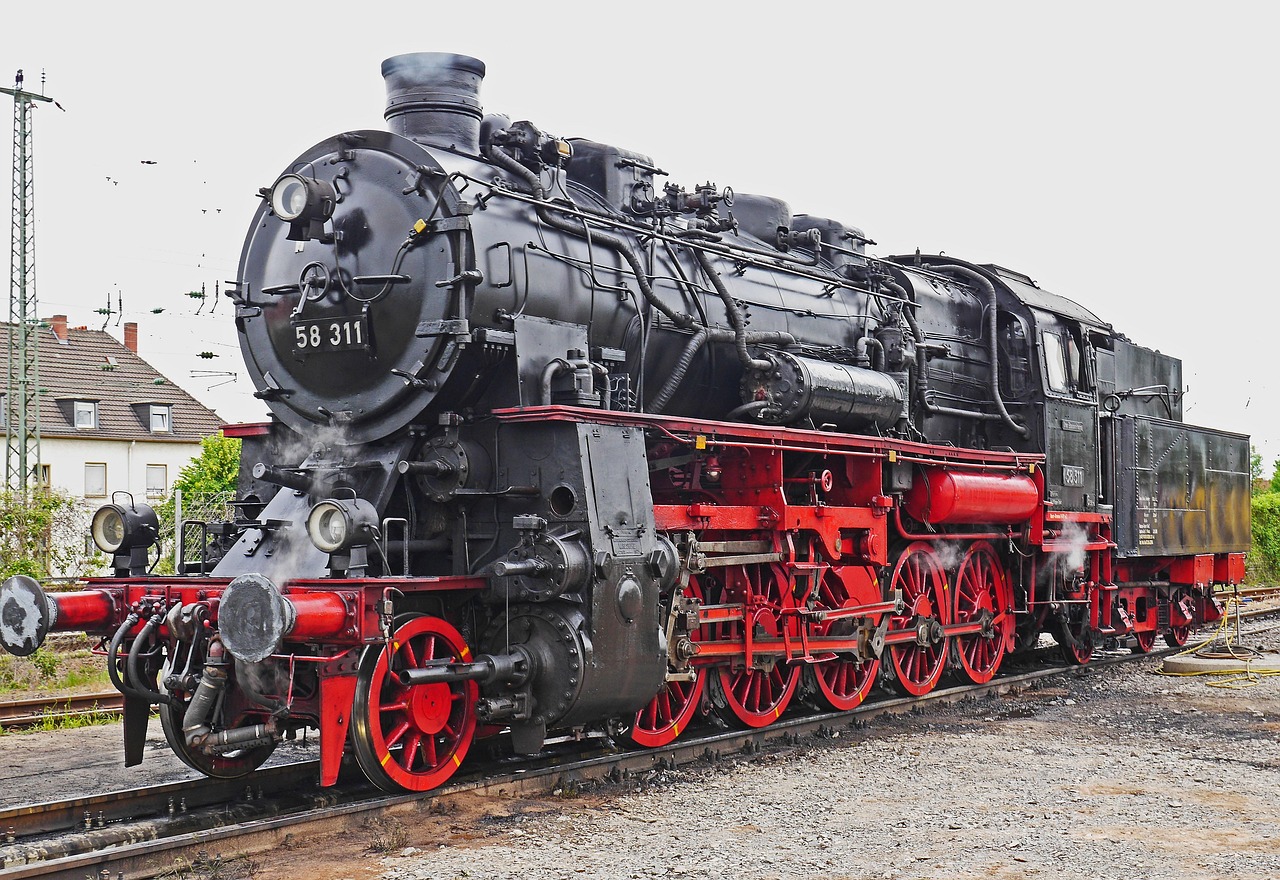
While Watt's name is synonymous with steam power, his genius lay in *improvement* rather than invention. He introduced the separate condenser, reducing heat loss and boosting efficiency. This innovation turned the steam engine from a laboratory curiosity into a practical tool for factories, mines, and ships.
Industrial Revolution: Steam as the Backbone
With Watt's enhancements, steam engines became the heartbeat of factories. They drove looms, powered mills, and enabled the mass production of goods. Railways harnessed steam to pull locomotives across continents, shrinking distances and opening global markets.
Common Questions About Steam Power
- What makes a steam engine efficient? The key is minimizing heat loss - Watt's condenser did this by cooling exhaust steam in a separate chamber.
- How did steam engines impact society? They accelerated urbanization, created jobs, and sparked advances in metallurgy and engineering.
- Are steam engines still relevant? Modern power plants use steam turbines to generate electricity, showing the lasting influence of steam principles.
Modern Adaptations: From Turbines to Hybrid Vehicles
Today's steam turbines, a direct descendant of Watt's design, run on high‑pressure steam to turn generators. Engineers are also exploring steam‑powered hybrids, combining traditional combustion with steam generation for improved fuel efficiency.
Practical Takeaways for Today's Innovators
1. Efficiency is King: Even today, reducing heat loss through better insulation or advanced condensers can save energy.
2. Iterative Design: Watt's success stemmed from refining existing ideas - a lesson for modern product development.
3. Cross‑Disciplinary Collaboration: The steam engine's evolution involved metallurgy, thermodynamics, and mechanical engineering. Today's breakthroughs often arise from similar collaboration.
Stepping Forward: The Future of Steam Technology
While electric motors dominate the automotive sector, the concept of using heat remains powerful. Research into waste‑heat recovery and high‑efficiency turbines promises a resurgence of steam's relevance, especially in sustainable power generation.
Conclusion: A Legacy of Motion
The steam engine's journey from a simple boiler to the engine of an industrial age illustrates how persistent curiosity and incremental improvement can reshape the world. By studying its history, we gain insight into the timeless principles that drive progress - principles that continue to guide innovators today.