
Introduction
When you think of the steam engine, images of clanking locomotives, churning factories, and roaring ships often come to mind. Yet its roots are surprisingly humble - an engineer's attempt to pump water out of a mine turned into the engine that would fuel the world's industrial growth. This article walks through that evolution, answering the most common questions and offering practical guidance for anyone fascinated by the mechanics behind the magic.
Early Sparks of Steam Power
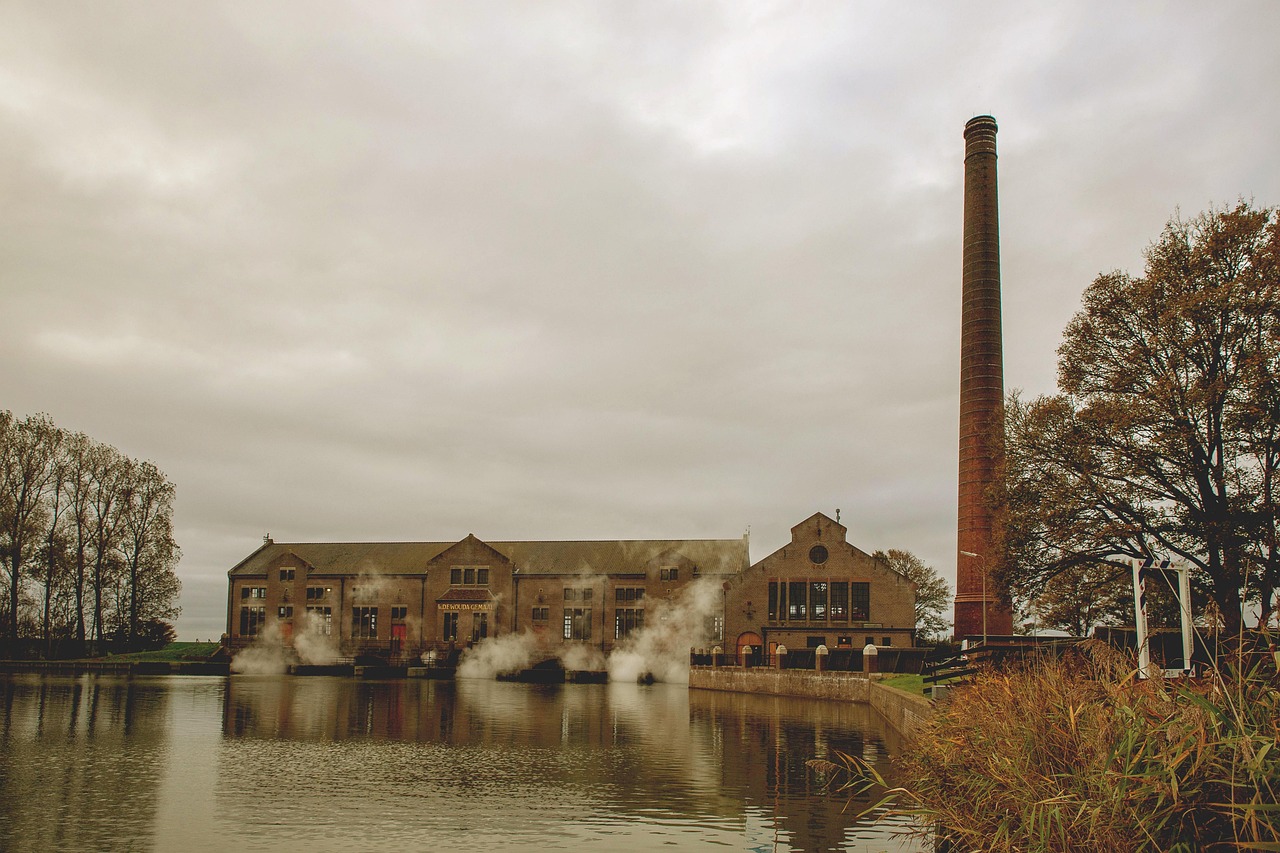
Ideas about using steam to move objects date back to ancient times, but the first practical attempts emerged in the early Industrial Age. Inventors experimented with boilers, pistons, and valves, struggling to use the energy released when water turned to vapor. Their work was driven by a simple problem: how to lift water from deep mines without manual labor.
From Atmospheric Engines to Efficient Machines
- Atmospheric Engine: The first working steam engine used atmospheric pressure to push a piston. When steam was introduced into a cylinder, the cooling of the steam created a vacuum that pulled the piston down.
- Efficiency Gains: Early models were noisy and slow, but they proved that steam could be a reliable power source. Engineers refined the design, adding condensers to recycle water and increase power output.
- Commercial Adoption: These engines began powering factories, mills, and later, railways. They became the backbone of the early industrial economy, proving that a single invention could transform society.
Revolutionary Breakthroughs
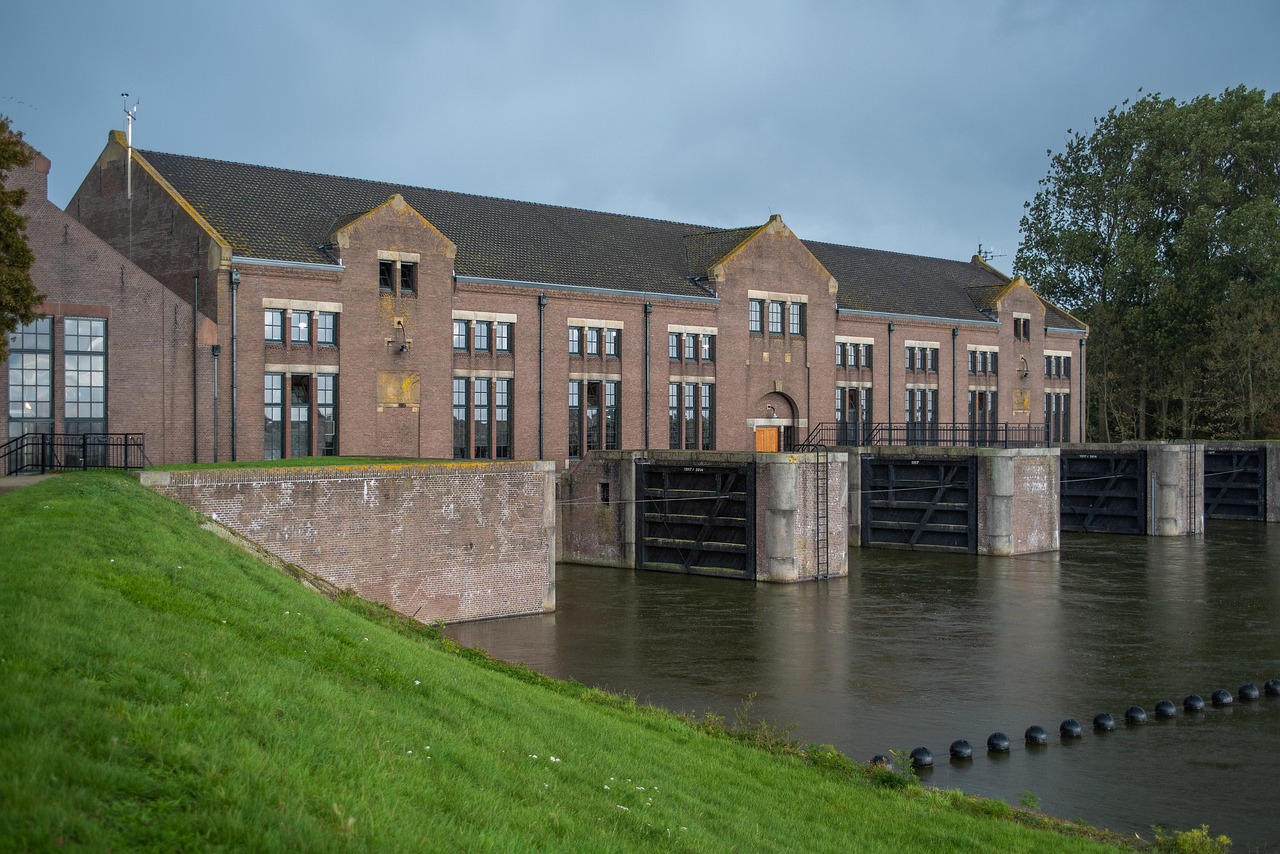
While the atmospheric engine was groundbreaking, it was far from optimal. Engineers sought ways to extract more energy from the same amount of fuel. One key advancement was the addition of a separate condenser, which kept the cylinder hot and the steam chamber at a high temperature, dramatically boosting efficiency.
Steam Engines in the Industrial Age
With improved designs, steam engines grew larger and more powerful. They powered locomotives that could pull freight across continents, ships that could sail unimpeded by wind, and factories that could run around the clock. The ripple effect was profound: cities expanded, trade routes opened, and new industries emerged.
Legacy and Modern Applications
Even though electricity now dominates most power needs, the steam engine's legacy lives on in several ways:
- Power Generation: Large - scale power plants still use steam turbines to convert heat into electricity.
- Engineering Education: The principles of thermodynamics and mechanical design taught through steam engine studies remain foundational in engineering curricula.
- Historical Preservation: Working steam engines are showcased in museums and heritage railways, offering tangible links to the past.
FAQs About the Steam Engine
- What makes steam engines unique? Their ability to convert thermal energy directly into mechanical work using a simple piston system.
- Why did they fall out of favor? The rise of electric motors and internal combustion engines offered higher efficiency, lower maintenance, and easier scalability.
- Can I build a small steam engine today? Yes - many hobbyists construct tabletop models or educational kits that illustrate the core mechanics.
- What safety considerations are important? High - pressure steam can be dangerous; proper safety valves, pressure gauges, and insulation are essential.
Practical Tips for Enthusiasts and Students
- Start with a Simple Model: Build a basic piston engine using a small boiler and a single cylinder. This will help you grasp the fundamentals of pressure, temperature, and motion.
- Use Quality Materials: Stainless steel or brass components resist corrosion and withstand pressure better than cheap alternatives.
- Incorporate a Condenser: Adding a condenser not only improves efficiency but also reduces the risk of boiler explosions by keeping the system under controlled pressure.
- Document Your Process: Keep a notebook of measurements, observations, and calculations. It's invaluable for troubleshooting and for sharing your progress with the community.
- Explore Modern Variants: Look into Stirling engines or small - scale steam turbines - these offer modern twists on the classic design and can be powered by renewable heat sources.