
Understanding the Basics: Electric vs Hybrid
When you hear "electric" and "hybrid" you're hearing two distinct ways cars get their power. An electric vehicle (EV) runs entirely on batteries, drawing energy from a plug‑in charger or a wireless charging pad. A hybrid vehicle combines a gasoline engine with one or more electric motors; the battery is charged by regenerative braking and the engine, not by an external outlet.
Key Differences That Matter to You
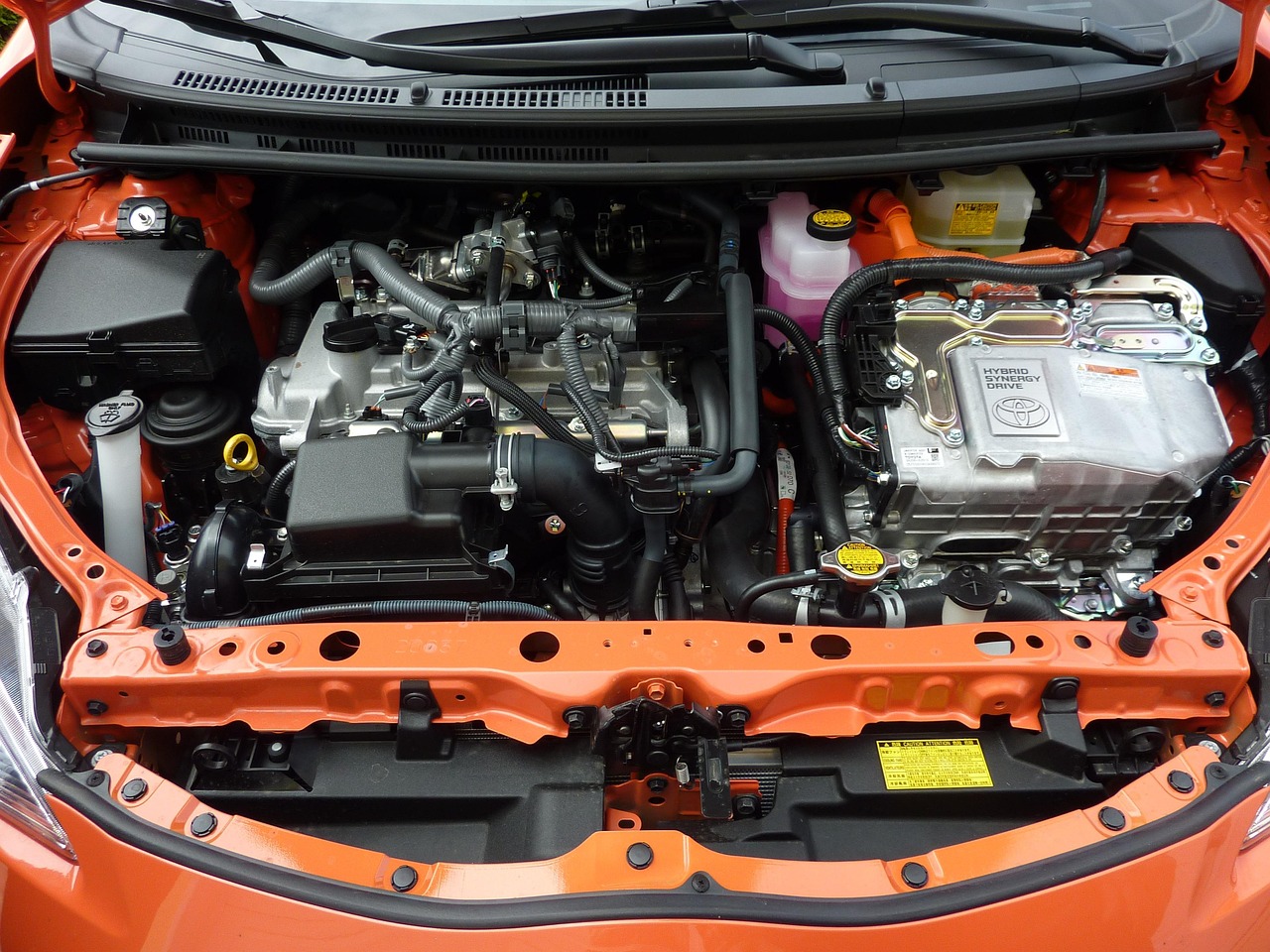
Here's a quick side‑by‑side snapshot to help you see the big picture.
- Power source: EV = battery only; Hybrid = battery + gasoline.
- Fuel economy: EVs typically get 100+ MPGe; hybrids average 50 - 70 MPG.
- Maintenance: EVs have fewer moving parts, meaning lower routine service costs; hybrids still need oil changes and engine service.
- Charging needs: EVs require a charging station; hybrids rely on the gas network.
- Initial price: EVs often start higher, but incentives can narrow the gap.
Cost Factors: Upfront, Fuel, and Maintenance
In 2026, the cost conversation is no longer just about the sticker price.
- Purchase price: The average EV sits around $45,000, while a comparable hybrid starts near $30,000. However, federal tax credits, state rebates, and local incentives can shave $5,000 - $10,000 off an EV's net cost.
- Fuel savings: Electricity is roughly 70% cheaper per mile than gasoline in most U.S. regions. A hybrid still pays for gas, but its engine only runs when needed, so you'll see a 20 - 30% fuel cost reduction compared to a conventional car.
- Maintenance: EVs have no spark plugs, timing belts, or oil to change, translating to 30 - 40% lower yearly maintenance. Hybrids benefit from fewer parts than traditional cars but still require engine upkeep.
- Resale value: Battery technology has improved dramatically; EVs now hold 80 - 85% of their value after 5 years, while hybrids hover around 70 - 75%.
Range, Charging, and Practicality for Everyday Life
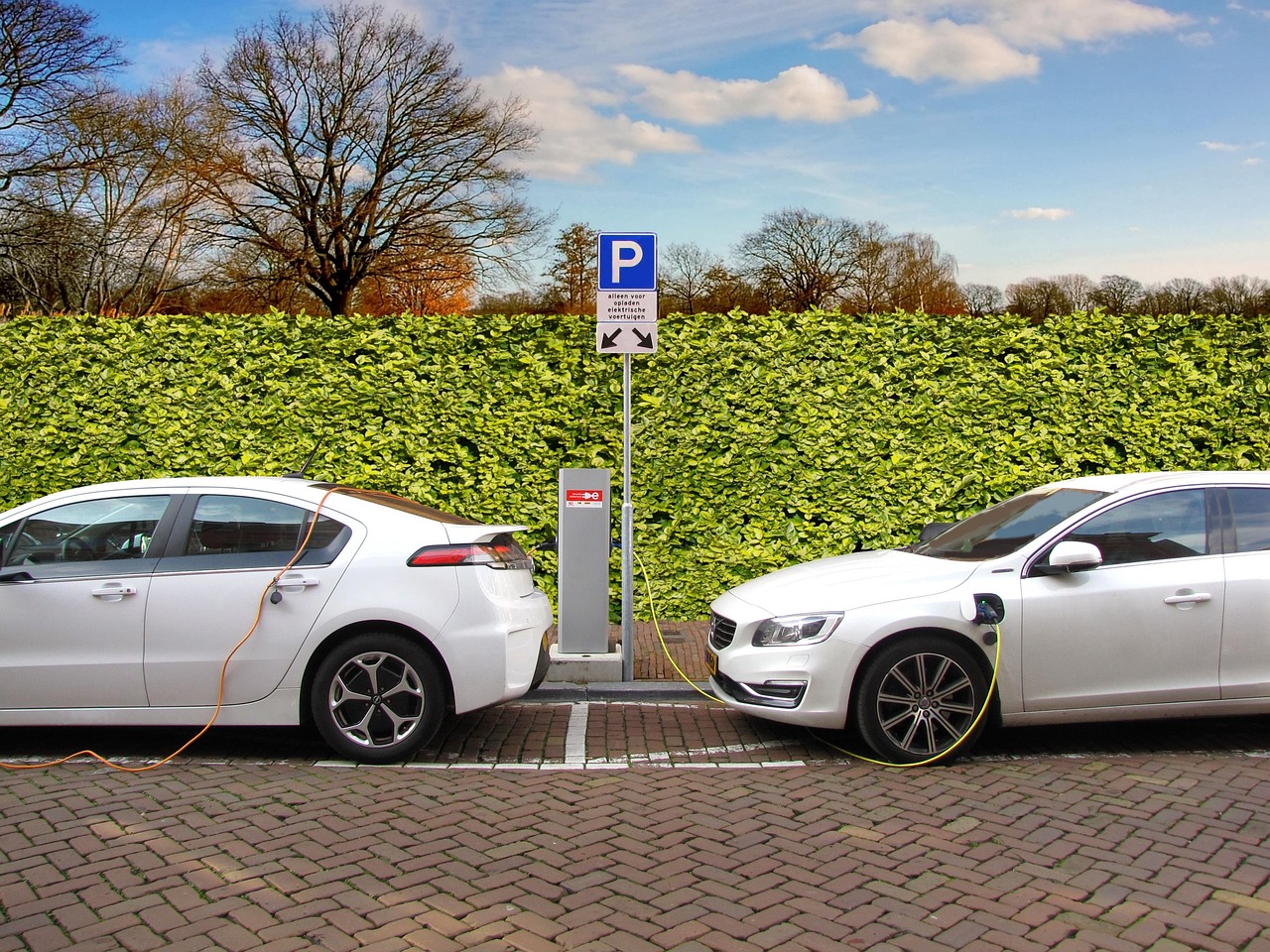
Range anxiety still lingers, but the gap between EV and hybrid range is shrinking.
- EV range: Most 2026 models offer 250 - 350 miles on a single charge, with high‑capacity options reaching 400+ miles.
- Hybrid range: Hybrids can comfortably drive 500 - 700 miles on a full tank of gas, with the electric motor kicking in for city traffic.
- Charging infrastructure: Public chargers are expanding at 15% per year. A home Level 2 charger will top a battery in 8 - 10 hours, making overnight charging a viable routine.
- Convenience: If you travel long distances regularly, a hybrid gives you the freedom to skip charging stops. For commuters and city dwellers, an EV's zero‑emission city driving makes it a natural fit.
Environmental Impact: Which is Cleaner?
Both powertrains help reduce emissions, but the magnitude differs.
- Carbon footprint: EVs emit 90 - 95% fewer tail‑pipe pollutants than hybrids. Even when powered by a grid that includes coal, the overall emissions are still lower.
- Lifecycle analysis: Battery production is energy intensive, yet the long‑term savings outweigh the initial impact. Hybrids still burn gasoline, contributing to atmospheric CO₂.
- Local air quality: In urban areas, EVs eliminate the nitrogen oxide and particulate matter that hybrids still emit during combustion.
Future Trends: 2027 and Beyond
By 2027, several developments will further shape the choice.
- Battery breakthroughs: Solid‑state batteries could cut charging time to under 20 minutes and increase range to 500 miles.
- Charging speed: 350 kW DC fast chargers will become more common, allowing a 200‑mile charge in 15 minutes.
- Policy shifts: Some states plan to phase out internal‑combustion vehicles by 2035, making hybrids a transitional option.
- Vehicle‑to‑grid (V2G): EVs may serve as mobile storage, earning owners credits when they feed electricity back to the grid.
Making the Decision: Questions to Ask Yourself
Use this quick checklist to align your needs with the right powertrain.
- What is your daily mileage? Under 60 miles a day? An EV could be perfect. Over 200 miles? A hybrid might save you the hassle of frequent charging.
- Do you have reliable home charging? If not, a hybrid offers flexibility while you wait for public charger expansion.
- How much can you invest upfront? If you can afford a higher initial cost and want lower running costs, choose an EV.
- Is environmental impact a priority? For the lowest tail‑pipe emissions, pick an EV.
- What are your future plans? If you anticipate moving to a region with aggressive EV incentives, a hybrid can bridge the gap until you upgrade.
Bottom Line: Choose the Right Powertrain for Your Lifestyle
In 2026, the choice between electric and hybrid isn't just about technology - it's about how the vehicle fits into your day, your budget, and your values. If you value zero‑emission city driving, have a predictable commute, and can tap into home or workplace charging, an electric vehicle is the clear winner. If you need long‑range flexibility, want to avoid the current charging infrastructure gap, or prefer a lower upfront cost, a hybrid offers the best compromise.
Take the time to test drive both types, review the latest state incentives, and consider your own driving patterns. The right decision will bring you peace of mind, savings, and a smaller carbon footprint for years to come.