
Introduction
Imagine a small seed that, over time, sprouts into a towering tree with branches that keep growing. That's the essence of compound interest - a simple concept that turns modest savings into substantial wealth. In 2026, as financial markets evolve and new investment tools emerge, understanding compound interest is more important than ever.
What Is Compound Interest?

Compound interest is the interest earned not only on your initial principal but also on the interest that accumulates over time. It's the financial equivalent of a snowball rolling downhill: the longer it rolls, the bigger it gets.
- Principal: The original amount of money invested or saved.
- Interest Rate: The percentage at which the principal grows.
- Compounding Frequency: How often the interest is added to the principal (daily, monthly, quarterly, yearly).
- Time: The duration over which the interest compounds.
Why It's Called the 8th Wonder of the World
Just as the Seven Wonders of the Ancient World captured the imagination of civilizations, compound interest captivates modern investors. Its ability to transform small, disciplined investments into significant wealth has earned it this legendary title. In 2026, the concept remains as potent as ever, proving that a steady, patient approach can beat the volatility of the market.
How Compound Interest Works in Practice
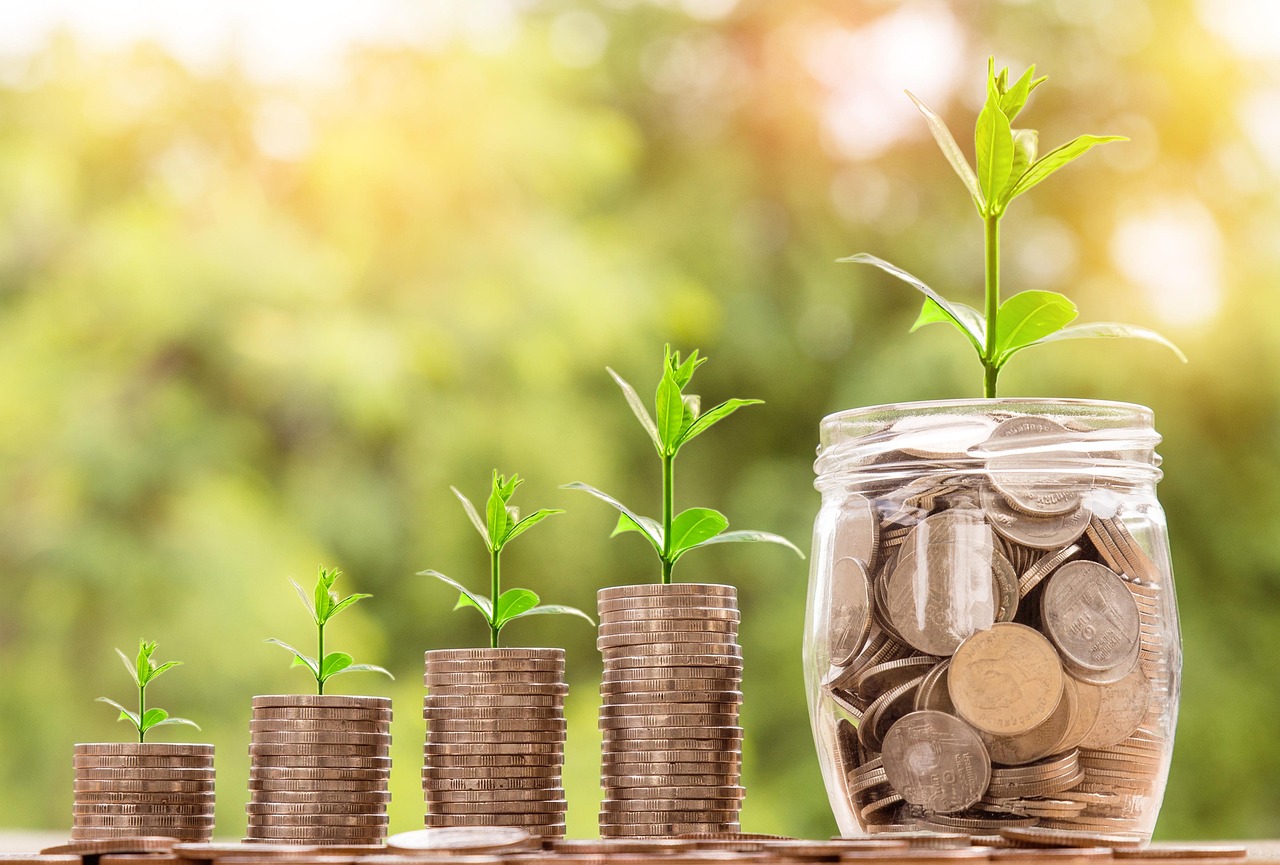
Let's walk through a real - world example. Suppose you invest ₹50,000 in a savings account that offers a 6% annual interest rate, compounded quarterly.
- Quarterly interest: 6% ÷ 4 = 1.5% per quarter.
- After the first quarter, your balance becomes ₹50,750.
- In the next quarter, interest is calculated on ₹50,750, not just the original ₹50,000.
- Continuing this process, the balance grows faster each year.
After 10 years, that initial ₹50,000 could grow to approximately ₹81,000, and after 20 years it could exceed ₹130,000 - all without additional contributions.
Practical Tips to Maximize Compound Growth
- Start Early: The power of compounding is exponential. Even a few extra years can make a huge difference.
- Increase Contributions: Small, regular deposits (e.g., monthly) compound alongside the initial principal.
- Reinvest Dividends: In mutual funds or dividend - paying stocks, reinvesting dividends fuels further growth.
- Choose Higher Yield Instruments: Compare rates across savings accounts, fixed deposits, and low - risk ETFs.
- Keep Fees Low: High management fees erode returns; opt for low - cost index funds where possible.
- Use Tax - Advantaged Accounts: Accounts like NPS, ELSS, or Roth IRAs let your money grow without immediate tax drag.
Common Misconceptions About Compound Interest
- "Compound interest only works for large sums." Even small amounts benefit; the key is consistency.
- "It's a guaranteed profit." While compounding amplifies returns, the underlying investment's risk profile matters.
- "More frequent compounding always wins." The difference between monthly and daily compounding is marginal compared to choosing a higher yield.
Looking Ahead: Compound Interest in 2027 and Beyond
In 2026, fintech innovations are making it easier to automate savings and investment plans. By 2027, we expect even more granular tools that let you track compound growth in real - time, adjust contributions on the fly, and use AI - driven portfolio optimization (not mentioned here) to maximize returns. The core principle remains unchanged: consistent, long - term investing is the key to unlocking the wonder of compounding.